Steps · Ogden Utah Concrete
Concrete Steps and Walkways in Ogden, UT
Front steps, porches and walks that feel safe on an icy morning. Ask for a free estimate.
Steps & Walkways across Weber, Davis and Box Elder counties

Free Set of Steps Estimate
Tell us which part of the house it is, roughly how big, and what is wrong with the old concrete if there is some. The contractor will call you back to go over it and arrange a visit.
- Free estimates
- Homes and businesses
- New pours and repairs
- Ogden and nearby towns
A rough idea is plenty. Sizes and photos can come later.
Steps & Walkways
Concrete Steps for Ogden, UT
Front steps are where concrete and safety meet. Many older Ogden houses sit well above the sidewalk, with tall, narrow steps that have tipped toward the street or pulled a few inches away from the porch. Add a January morning with a skin of ice, a bag of groceries in each hand and a dog pulling on the leash, and uneven steps turn into a real hazard. We replace worn steps and porches, rebuild the walk from the driveway to the door, and pour side paths to the back gate and the garbage cans.
Good steps feel the same under every foot. Each riser should be the same height and each tread the same depth, because the one odd step is the one that trips people. Treads need a slight pitch so water runs off instead of freezing into a sheet, and the landing at the door should be big enough to stand on while you open the storm door. Underneath, a tall set of steps needs real support, which means footings below the frost line, typically around 30 inches deep on the valley floor, so the whole set doesn't heave and drop with the seasons.
What's included
What goes into steps and walkways
- 01
Front steps and stoops
New concrete steps from the walk to the front door, replacing sets that have tipped, cracked or crumbled.
- 02
Porches and landings
Wider landings at the door, with room to stand, set down packages and swing the storm door open.
- 03
Front walks
The path from the driveway or public sidewalk to your door, wide enough to clear with a shovel in a pass or two.
- 04
Side and back paths
Walks along the side of the house to the back gate, the trash cans or the garden shed.
- 05
Step repair
Patching chipped nosings (the front edge of each tread) and fixing a settled landing when the rest of the set is still sound.
- 06
Tear-out and removal
Breaking out old steps and walks, hauling them off and cutting a clean joint against the concrete that stays.
Ideas
Steps & Walkways: what they can look like
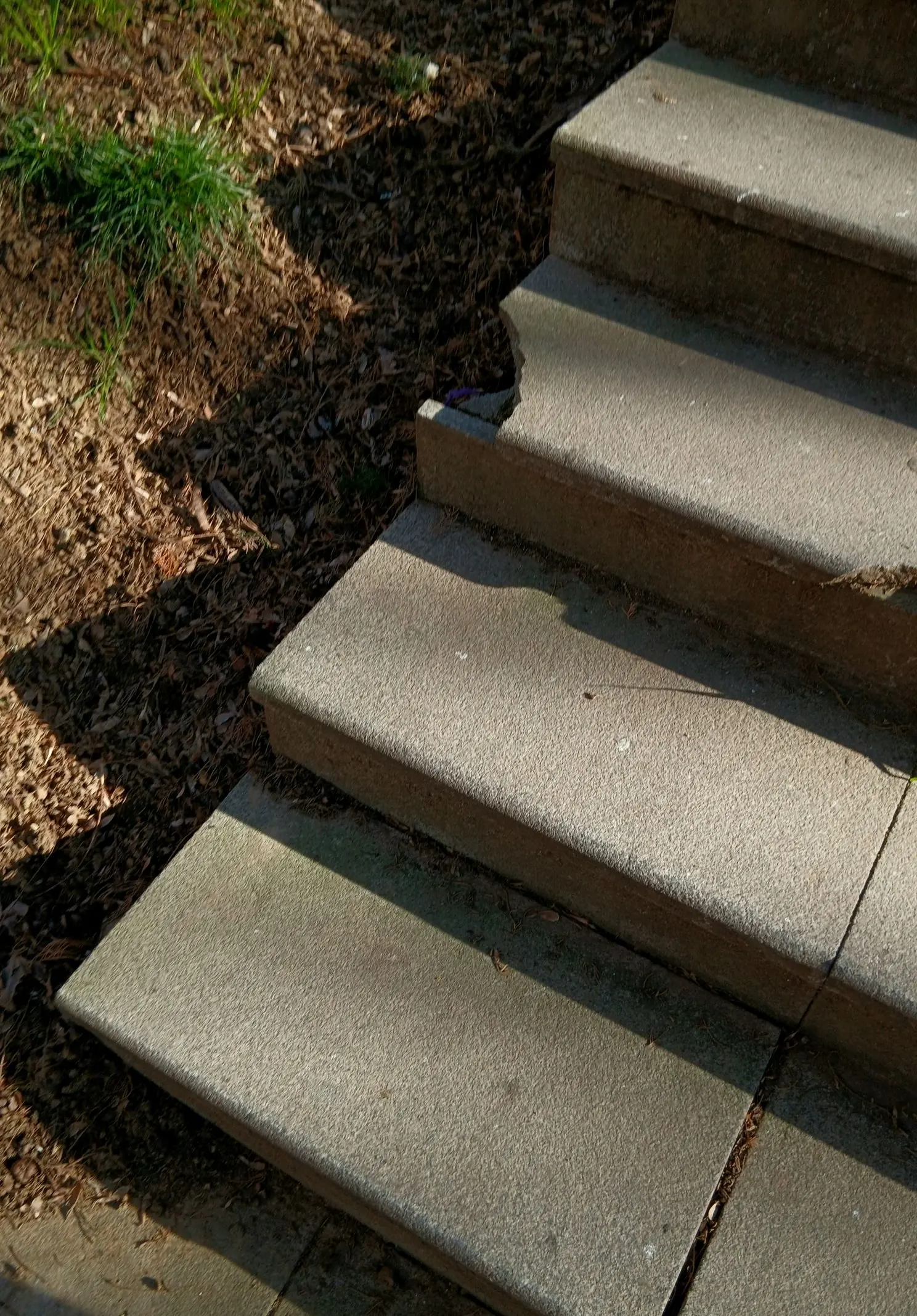
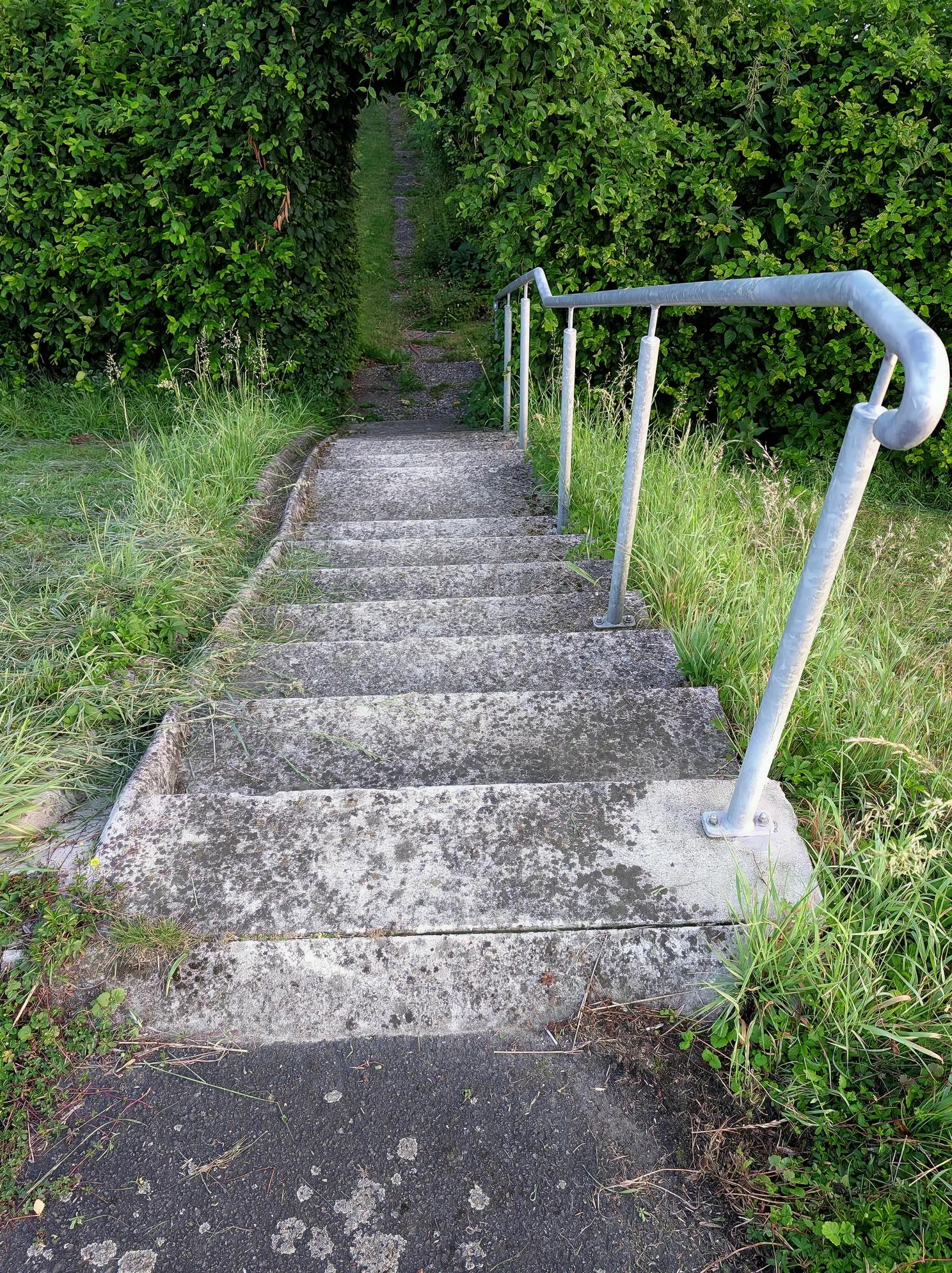
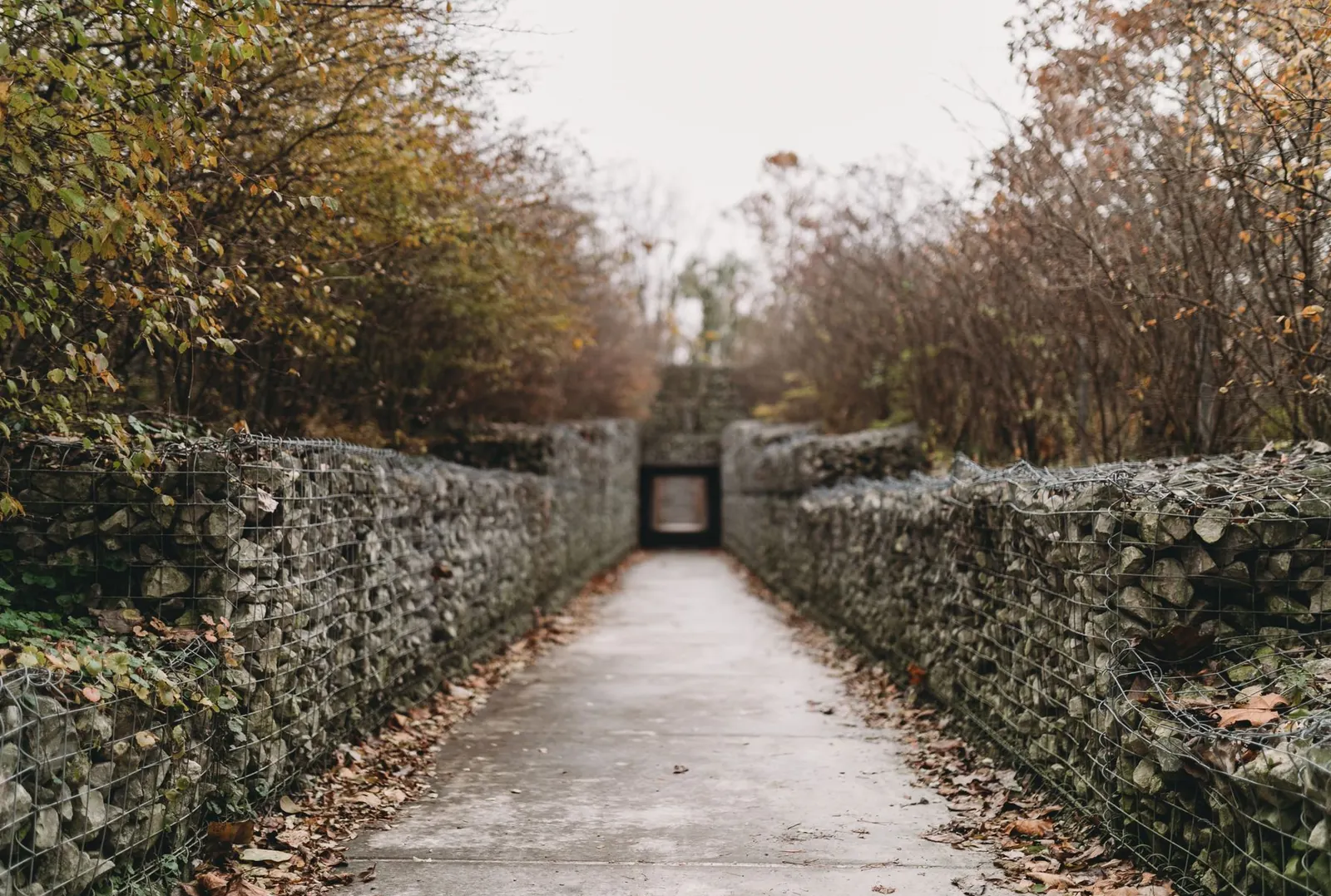
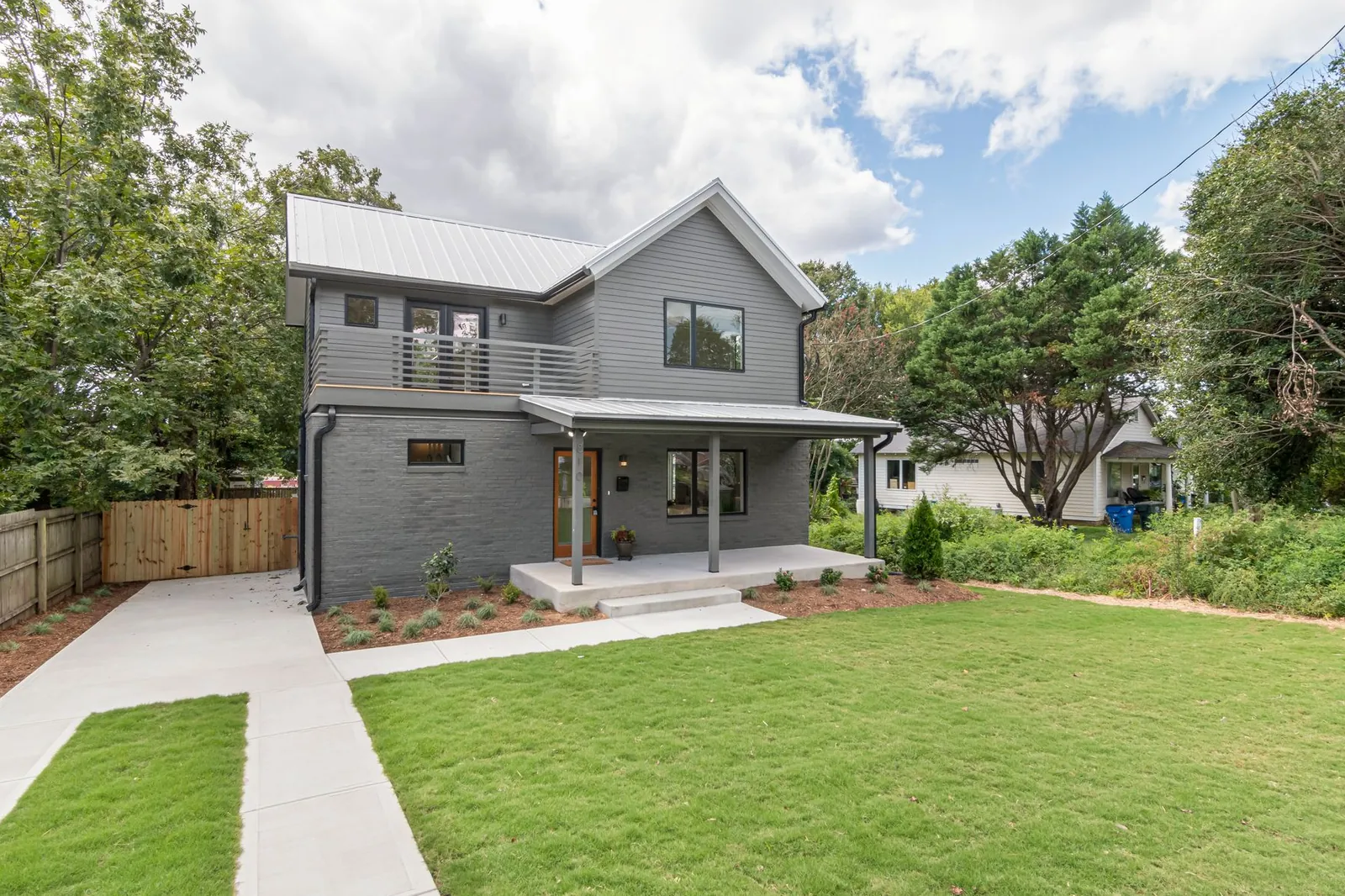
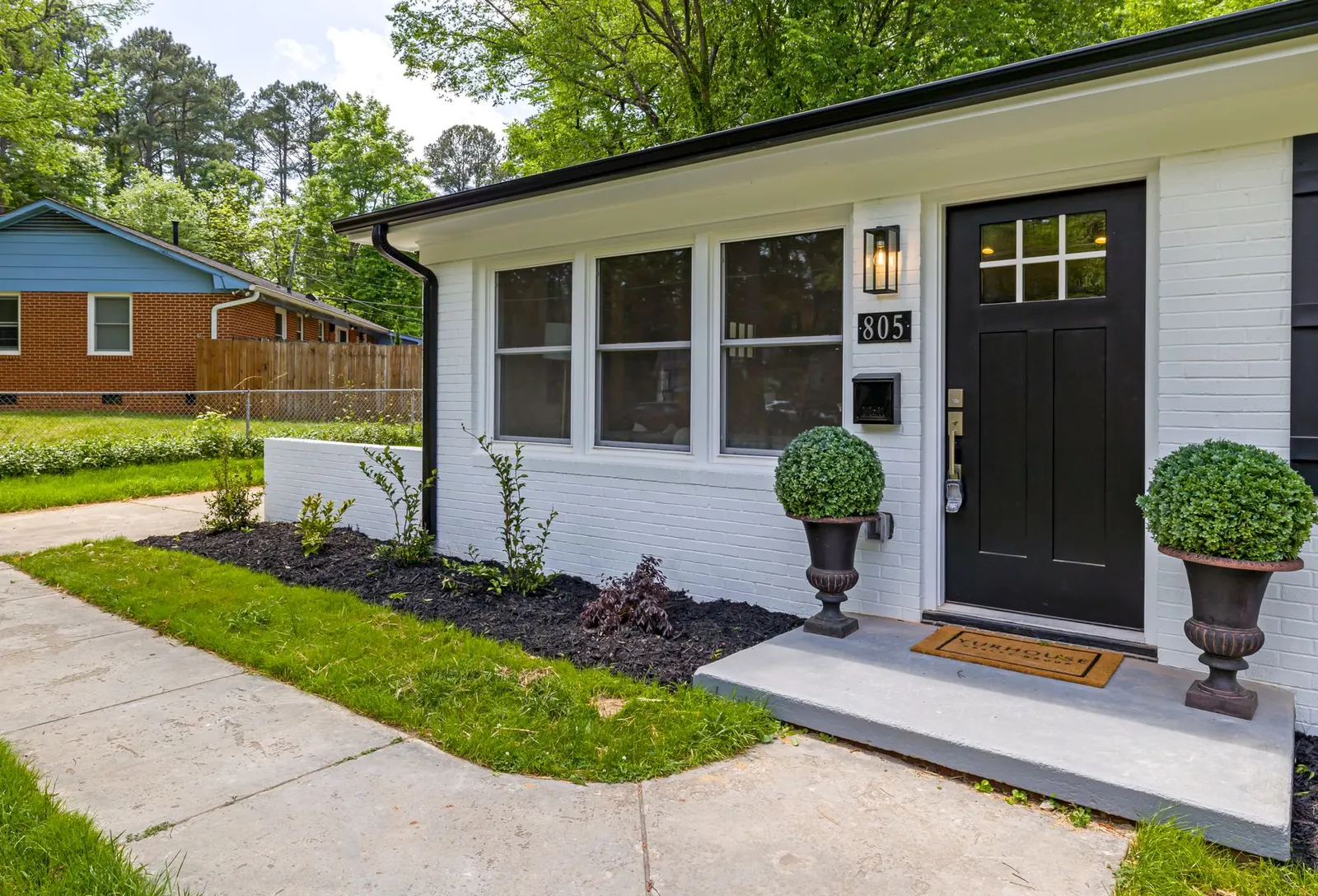
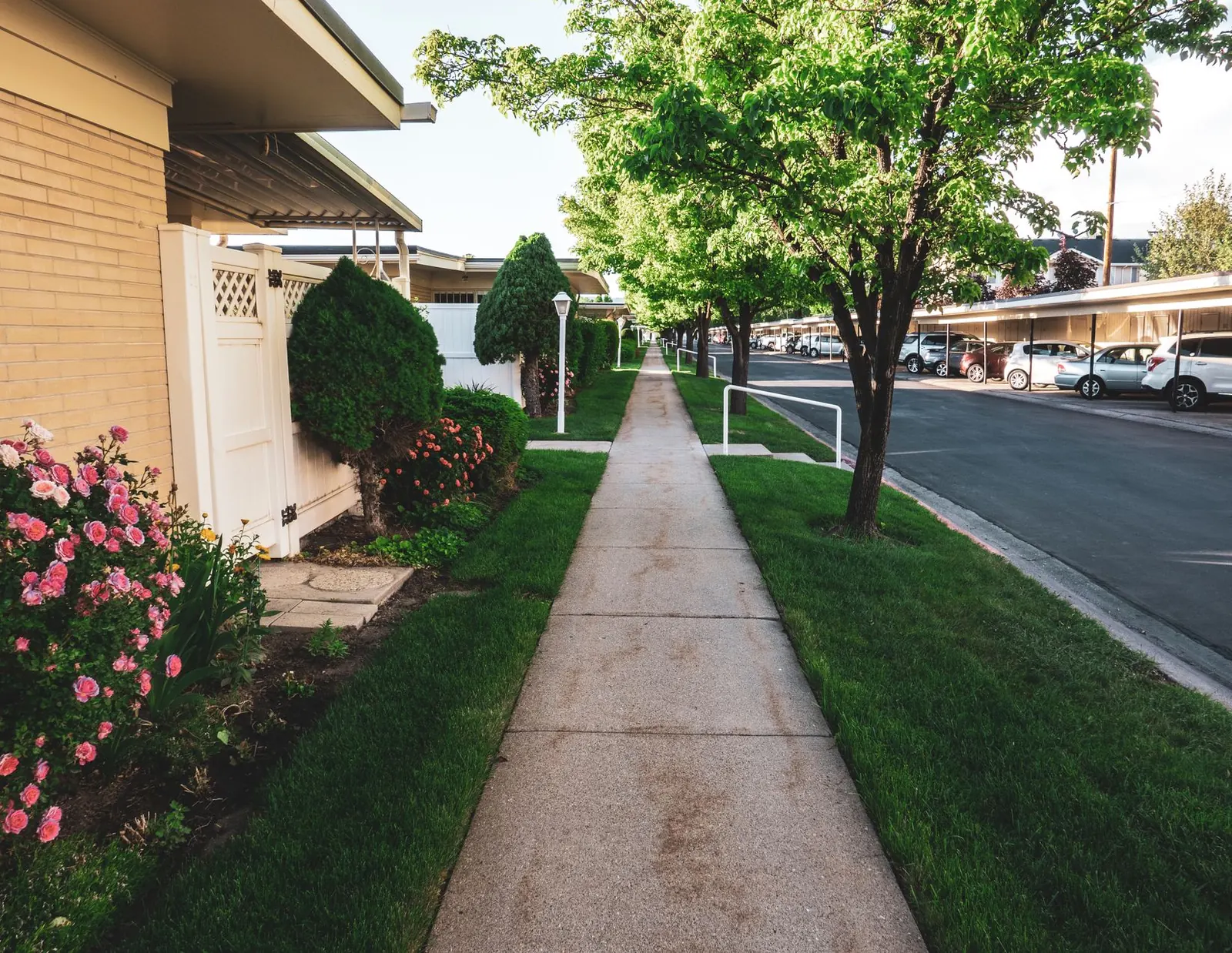
Example photos of this kind of concrete work.
How it works
How a set of steps job works
- 1
Measure the rise
We measure from the walk up to the door threshold to work out how many steps you need and how tall each one will be.
- 2
Dig and set footings
Old concrete comes out, the ground is dug, and footings go in wherever the steps need support below the frost line.
- 3
Form and pour
Forms for every riser and tread are set level and square, steel goes in, and the concrete gets a broom texture for grip.
- 4
Strip and cure
Forms come off once the concrete holds its shape, and you can use the steps with care after a day or two.
Questions
Steps & Walkways FAQs
Why do front steps pull away from houses in northern Utah?
Mostly frost heave and settling. When the soil under the steps holds water, it freezes and pushes up in winter, then drops back in spring, and over the years the whole set tips and separates. Steps on footings below the frost line, with a gravel base and water steered away from them, stay put far longer.
What goes into the cost of new concrete steps?
The number of steps, the width, the size of the landing and how much old concrete has to come out. Tall porches need more forming and deeper footings, and stamped or colored finishes add work. Doing the walk and the steps together usually makes more sense than two separate projects.
Do I need a permit to replace my front steps?
It depends on your city and the height of the steps. A simple walk replacement may not need one, while new steps up to a raised porch or anything touching the public sidewalk can. Your city's building department has the final word, and the estimate visit is a good time to find out.
Can steep porch steps be made easier to climb?
Often, if there is room to run them farther out or turn them with a landing partway up. Lower risers and deeper treads mean more steps, so the set takes up more of the walk or yard. Measuring the rise and the space shows quickly what will fit.
How wide should a front walk be?
Wide enough that two people can reach the door together and a snow shovel clears it in one or two passes, which usually works out to about 4 feet. A skinny walk at an older house can often be widened when it is replaced.
Related work
You might also be planning
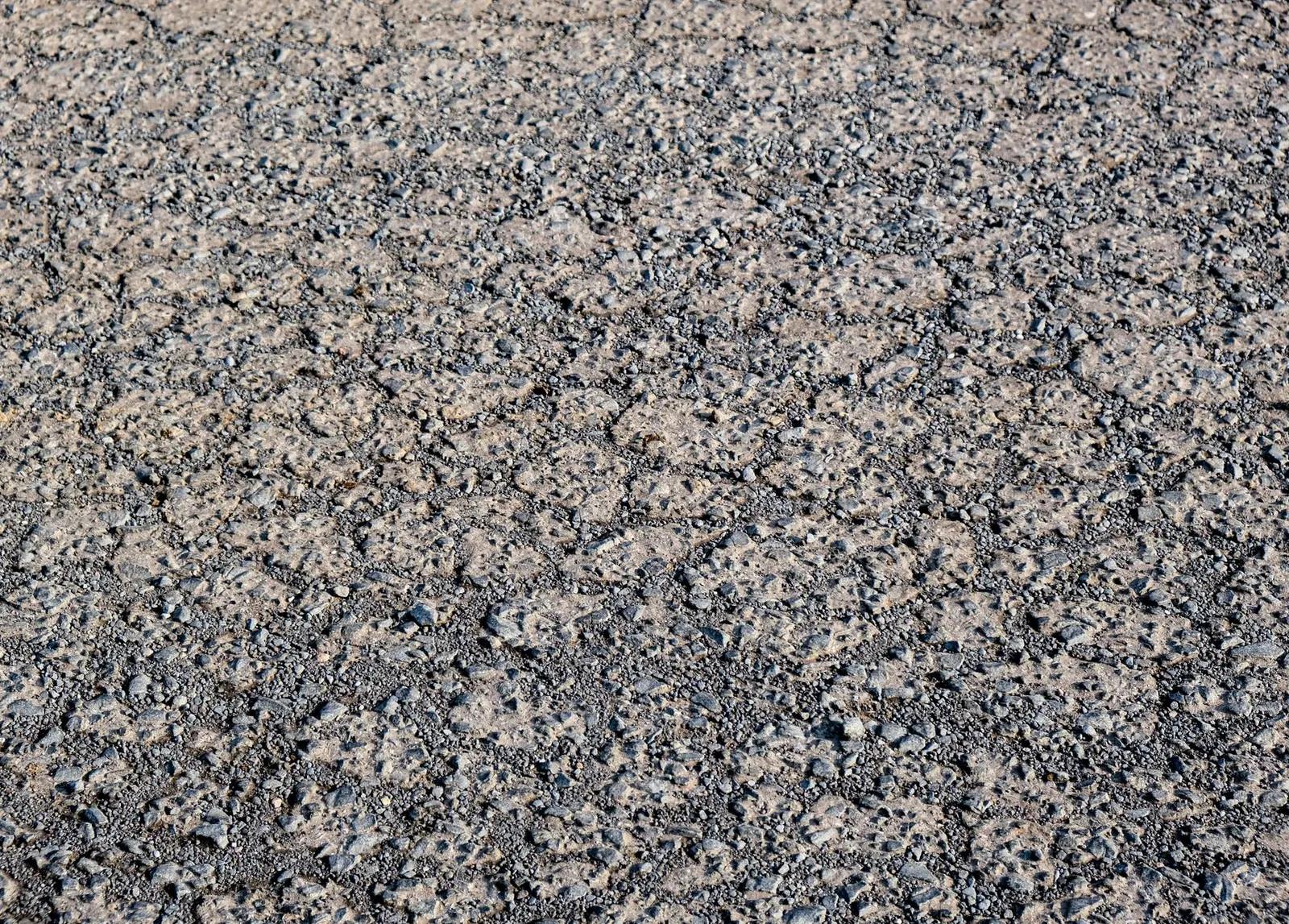
Stamped Concrete
Stone, slate and wood-plank patterns pressed into colored concrete for patios, walks and driveway borders.
More on Stamped Concrete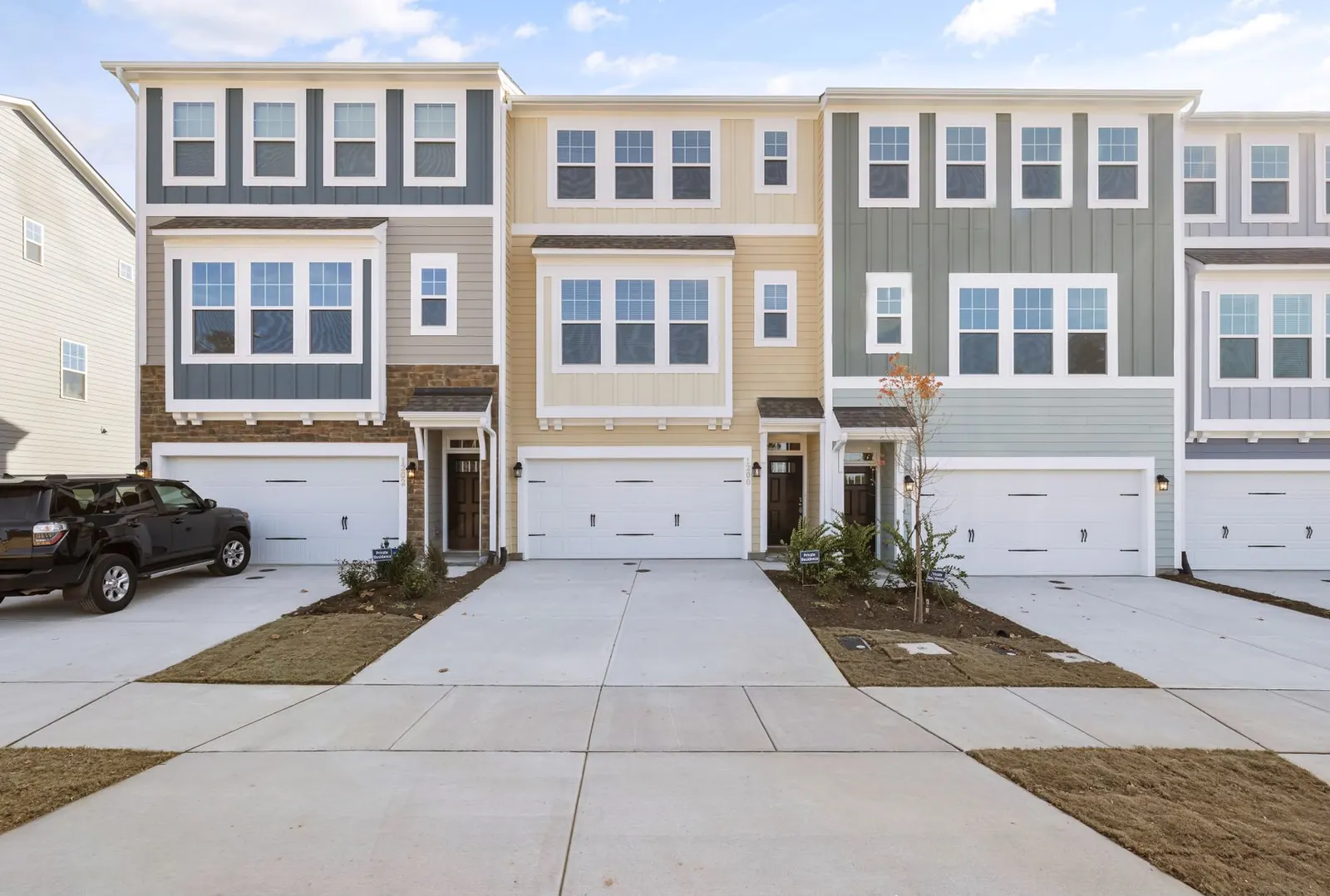
Concrete Driveways
The first thing you see when you pull in: new driveways, replacements, extensions and parking pads built for winter.
More on Concrete Driveways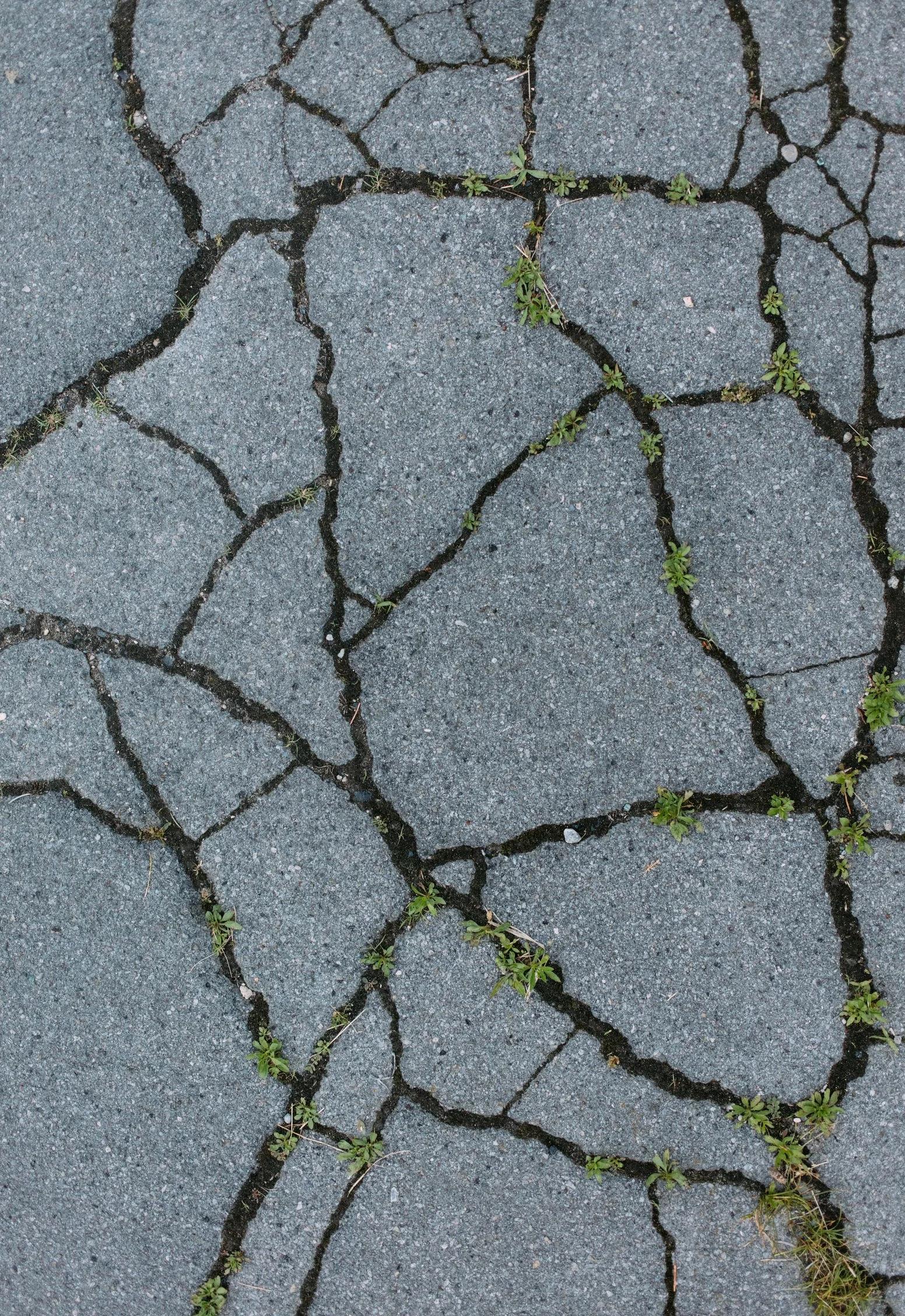
Concrete Repair & Leveling
Crack repair, leveling for sunken slabs, resurfacing and sealing, and a straight answer on when to replace instead.
More on Concrete Repair & Leveling
Where we work
Steps & Walkways in these towns
Free estimates on steps & walkways for homes in Ogden and every town below.
Weber County
Davis County
Box Elder County
Morgan County
Ready to price your set of steps?
Tell us which part of the house it is, roughly how big, and what is wrong with the old concrete if there is some. The contractor will call you back to go over it and arrange a visit.