Driveways · Ogden Utah Concrete
Concrete Driveways in Ogden, UT
New driveways, replacements, extensions and RV pads for Ogden homes. Ask for a free estimate.
Concrete Driveways across Weber, Davis and Box Elder counties
Free Driveway Estimate
Tell us which part of the house it is, roughly how big, and what is wrong with the old concrete if there is some. The contractor will call you back to go over it and arrange a visit.
- Free estimates
- Homes and businesses
- New pours and repairs
- Ogden and nearby towns
A rough idea is plenty. Sizes and photos can come later.
Concrete Driveways
Concrete Driveways for Ogden, UT
Your driveway takes more abuse than any other concrete you own. It carries the car twice a day, the moving truck once in a while, the hard ridge the snowplow leaves at the end after every storm, and the salty slush that melts off your tires all winter. In Ogden that driveway might be a narrow strip off an alley behind an old bungalow or a wide three-car apron in a newer North Ogden subdivision, and the two need different plans. We pour new driveways, tear out and replace worn ones, widen tight ones and add side pads for a trailer or a second car.
A driveway that lasts here is mostly about the parts you never see. The old concrete and any soft soil come out, a compacted gravel base goes down, and the slab is shaped so meltwater heads for the street instead of the garage door. Steel reinforcement sits up in the middle of the concrete, not flat on the dirt. Plain car parking is usually 4 inches thick, while the strip where a camper, boat or work truck lives is typically 5 to 6 inches. Control joints are cut so the cracks that do show up run in a straight line instead of wandering across the slab.
What's included
What goes into concrete driveways
- 01
Tear-out and haul-off
Breaking out the old driveway, hauling the pieces away and sawcutting a clean edge where the new concrete meets the garage slab or sidewalk.
- 02
Base and grading
Digging out soft or organic soil, then spreading and compacting gravel so the new slab has an even, firm bed.
- 03
Driveway approaches
The apron where your driveway meets the street, poured the way your city lays out, with the permit that piece usually needs.
- 04
Extensions and widening
Widening a one-car driveway or adding a parking strip along the side, so the second car stops living on the lawn.
- 05
RV and trailer pads
Thicker slabs with heavier steel for a motorhome, boat or loaded utility trailer that sits in one spot all winter.
- 06
Finish and sealing
A broom finish for grip on icy mornings, a smooth border if you like the look, and a penetrating sealer once the concrete has cured.
Ideas
Concrete Driveways: what they can look like
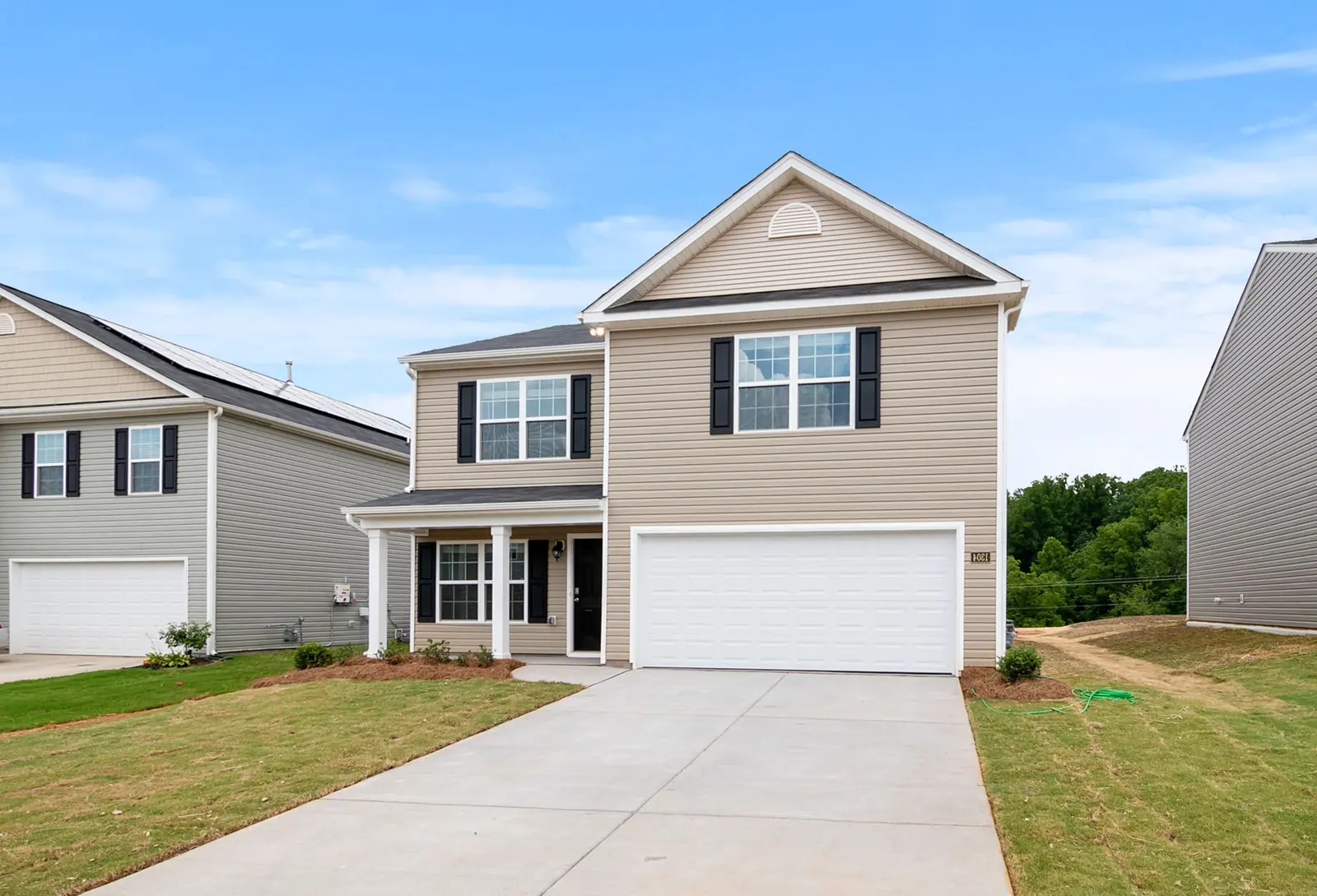
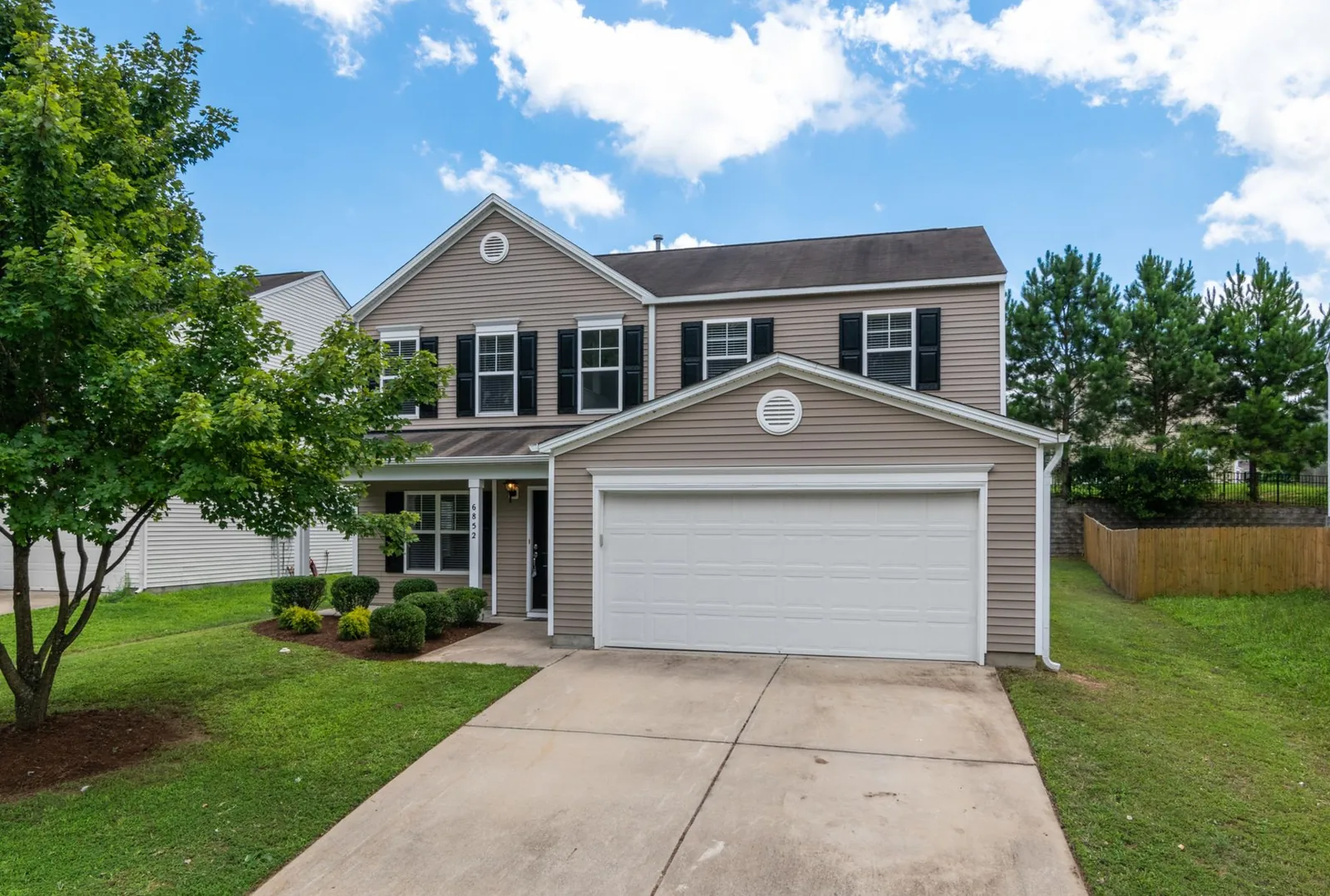
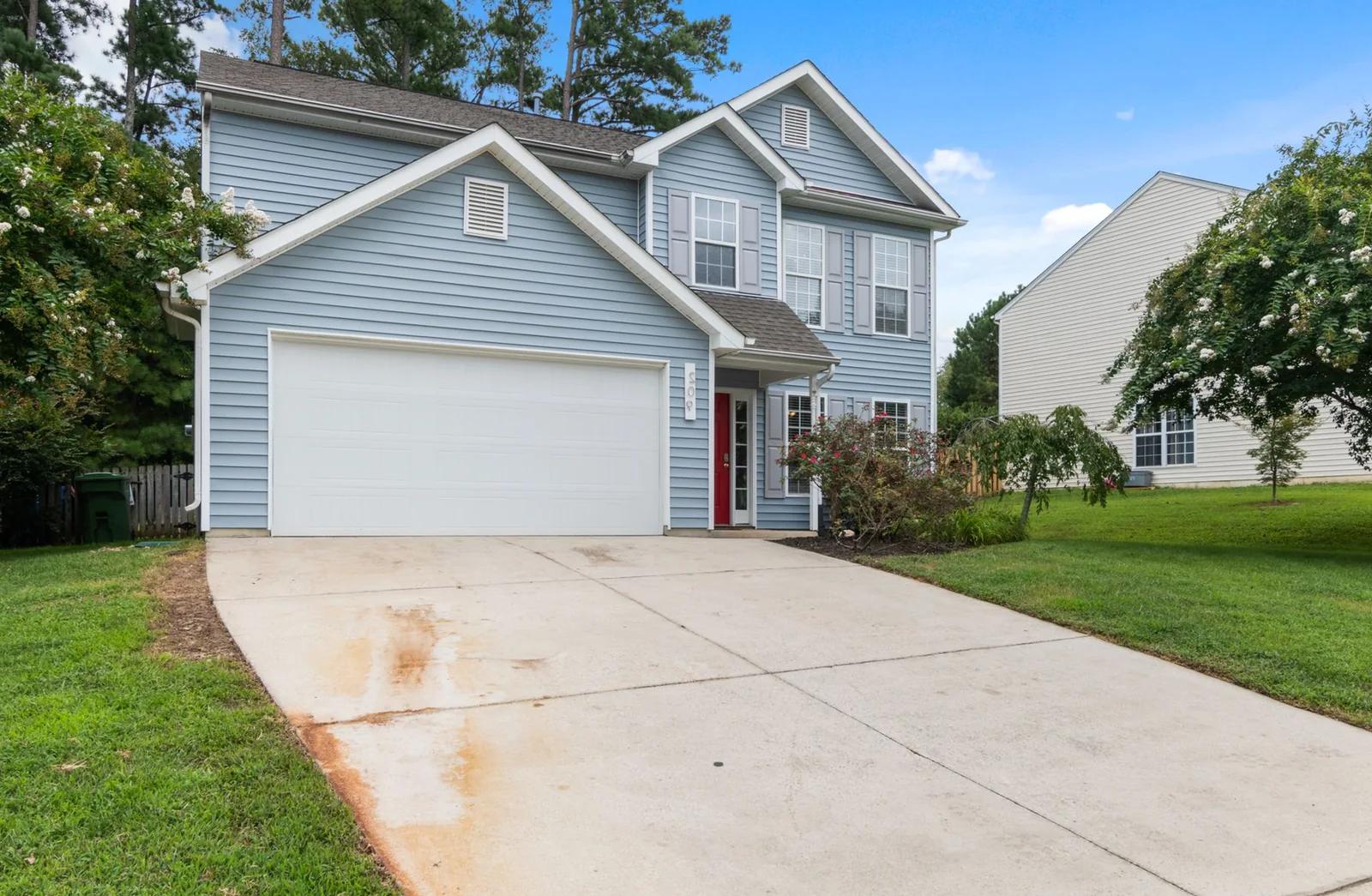
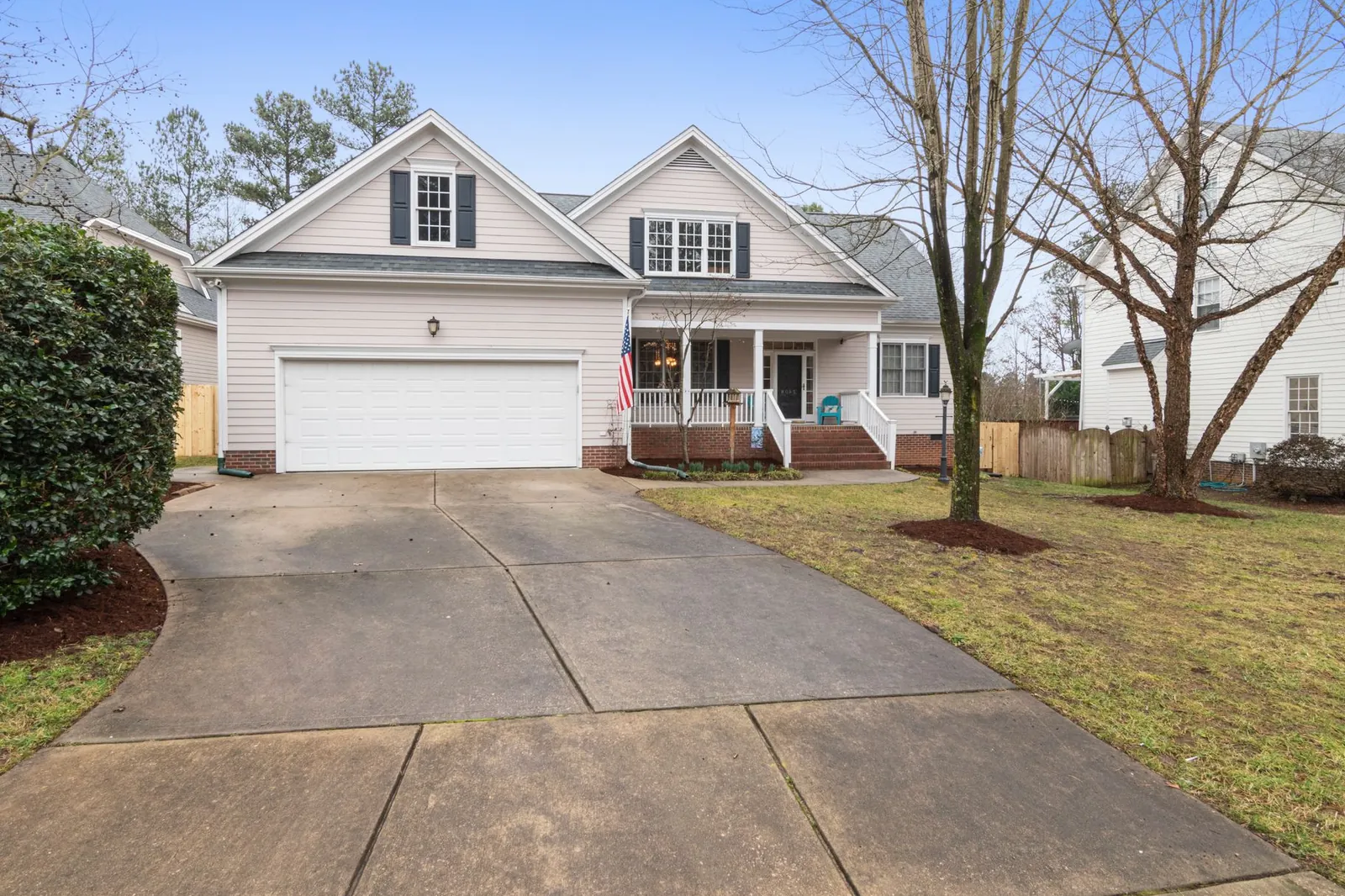
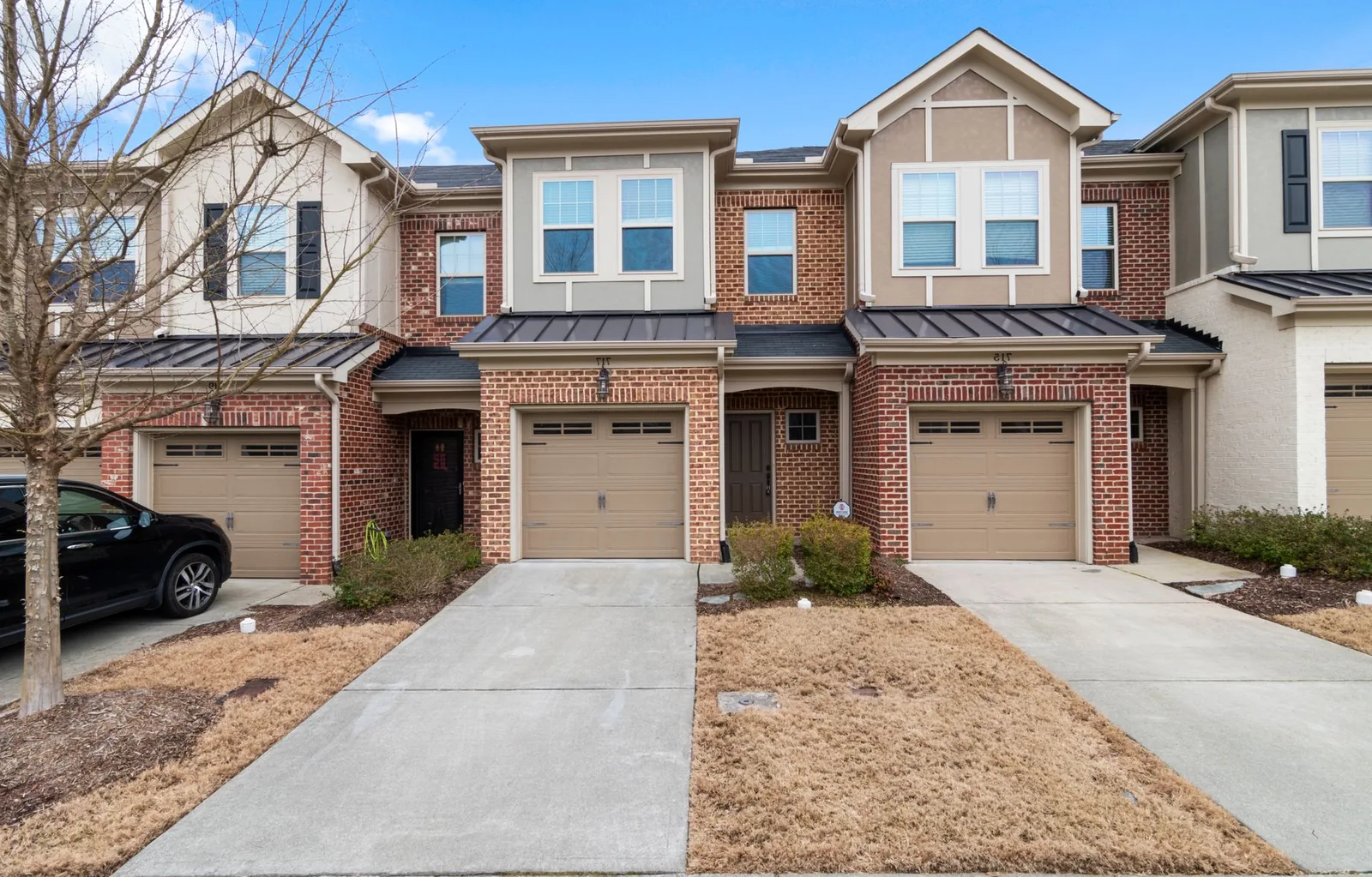
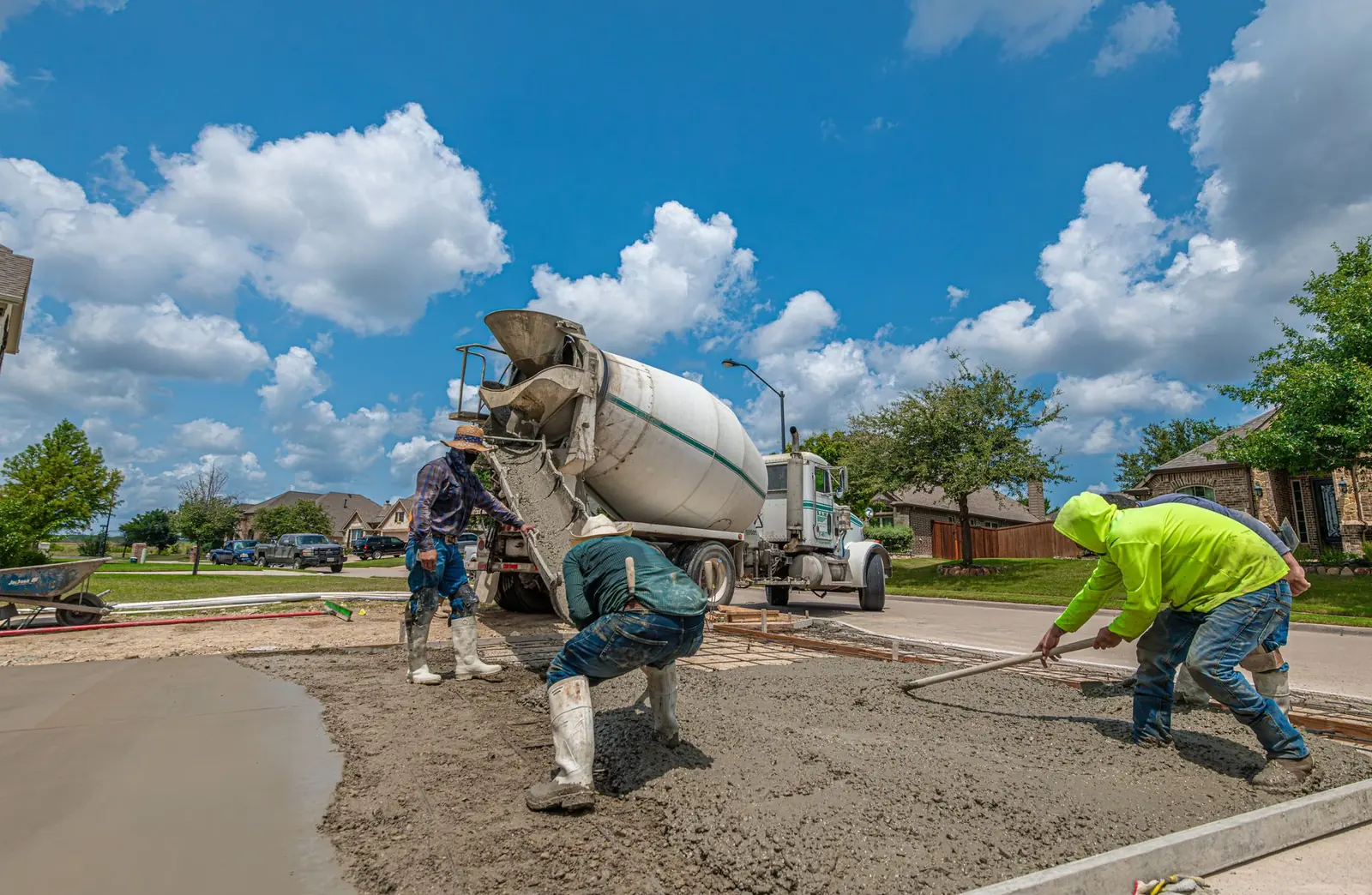
Example photos of this kind of concrete work.
How it works
How a driveway job works
- 1
Measure and plan
We look at the fall from the garage to the street, where water runs today and what kinds of vehicles will park on it.
- 2
Remove and prep
The old concrete comes out, the ground is dug to depth, and the gravel base is placed and compacted.
- 3
Form, steel and pour
Forms set the shape and grade, reinforcement goes in on chairs, and the concrete is placed, finished and jointed.
- 4
Cure and keep off
Leave the car off for about a week, and keep the camper or trailer off longer while the slab gains strength.
Questions
Concrete Driveways FAQs
Why do so many Ogden driveways flake on top after a few winters?
That flaking is called scaling, and it usually comes from water and salt freezing in the top layer. A mix without entrained air, a surface that was overworked while finishing, or salt spread on it the first winter all make it worse. An air-entrained mix, a proper finish and a sealer reapplied every few years are the best defense.
What affects the cost of a new driveway?
Mostly the size, the thickness and what has to happen before the pour. Removing an old driveway, digging out soft soil, adding a thicker section for an RV and pouring a new approach at the street each add work. A plain broom finish is the most direct option, while colored borders and stamping add steps.
Do I need a permit for a new driveway approach?
Usually, yes. The approach and any curb cut sit in the public right-of-way, so the city, or the county in unincorporated areas, typically wants a permit and sets the details. If your house fronts a state road such as US-89, UDOT may need to sign off as well.
Can my narrow alley driveway be made wider?
Often, if the lot has room and the city allows it. On older Ogden lots the limits tend to be the property line, a fence or a power pole, so the estimate visit starts with measuring what you actually have to work with.
Should I replace the whole driveway or just the bad section?
If the damage is in one area and the rest is solid, replacing that section with a clean sawcut edge can make sense. If cracks run across the whole slab, it has sunk in several places or it flakes everywhere, a full replacement usually beats patching one section after another.
Related work
You might also be planning
Garage Floors & Slabs
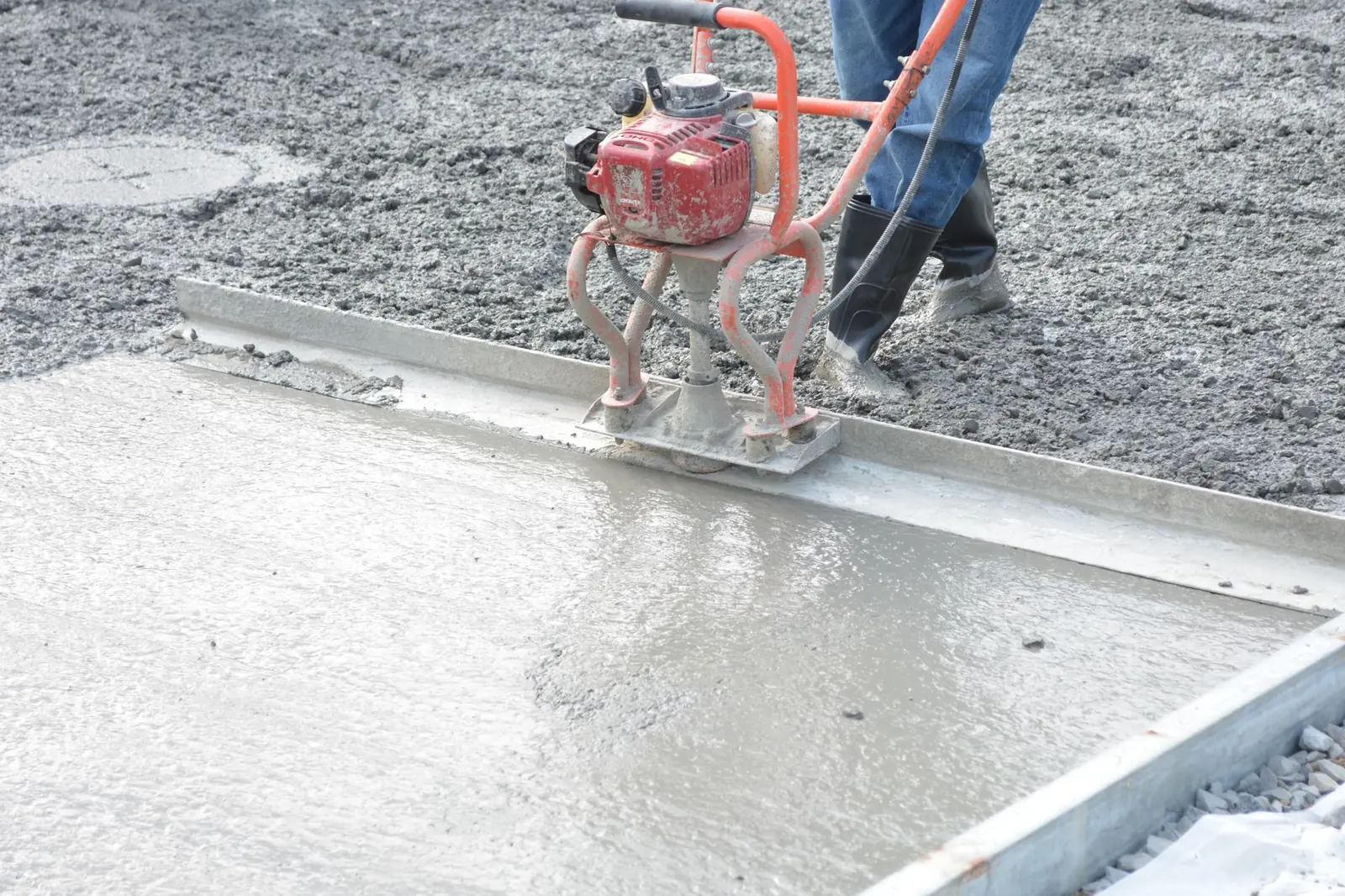
Garage floors, shed and shop slabs, hot tub and AC pads, and basement floors poured flat on a solid base.
More on Garage Floors & Slabs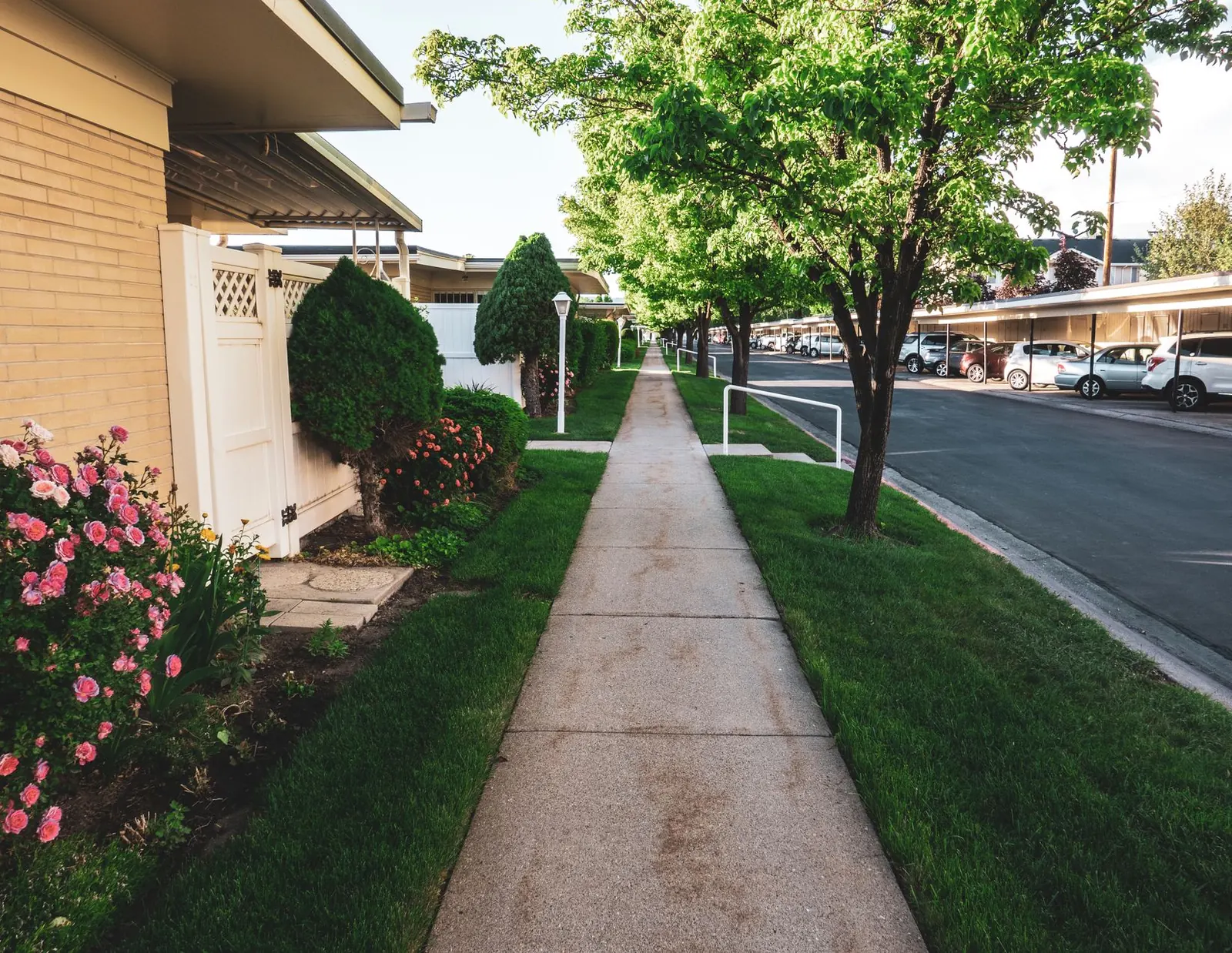
Steps & Walkways
Front steps, porch landings and the walk to your door, with even risers and treads that shed water.
More on Steps & Walkways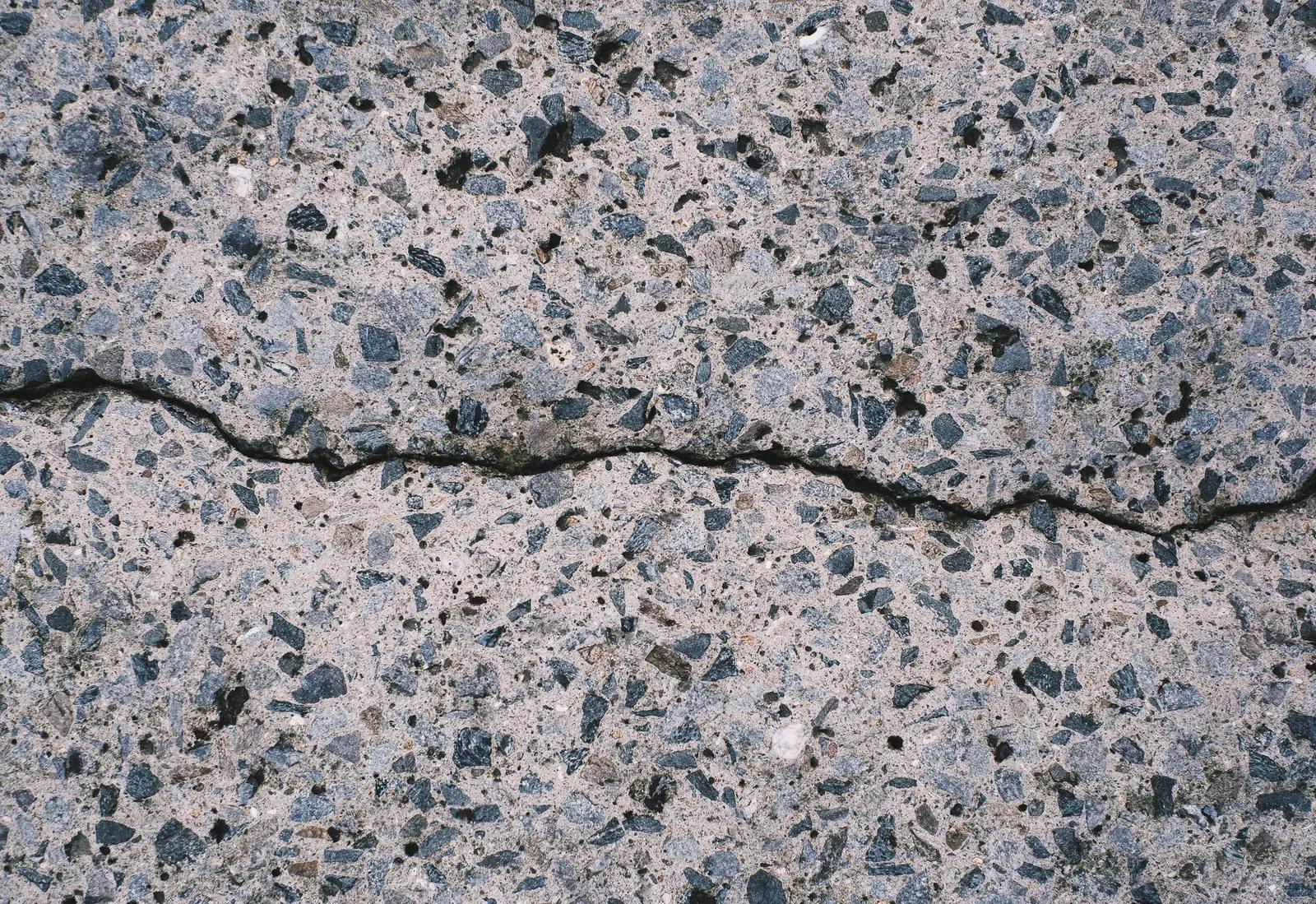
Concrete Repair & Leveling
Crack repair, leveling for sunken slabs, resurfacing and sealing, and a straight answer on when to replace instead.
More on Concrete Repair & Leveling
Where we work
Concrete Driveways in these towns
Free estimates on concrete driveways for homes in Ogden and every town below.
Weber County
Davis County
Box Elder County
Morgan County
Ready to price your driveway?
Tell us which part of the house it is, roughly how big, and what is wrong with the old concrete if there is some. The contractor will call you back to go over it and arrange a visit.