Driveways, patios and steps for Ogden homes
Concrete Company in Ogden, Utah
Concrete for the front of the house, the back yard and the garage. Ask us for a free estimate.
Serving Ogden, Roy, North Ogden, South Ogden, West Haven, Layton and nearby towns
Free Concrete Estimate for Your Home
Tell us which part of the house it is, roughly how big, and what is wrong with the old concrete if there is some. The contractor will call you back to go over it and arrange a visit.
- Free estimates
- Homes and businesses
- New pours and repairs
- Ogden and nearby towns
A rough idea is plenty. Sizes and photos can come later.
Ogden concrete, one part of the house at a time
Most people start looking for a concrete company because of one spot they see every day. Maybe the driveway scrapes your bumper where it meets the gutter, the front steps have tipped toward the street, or a low patch by the garage door turns into an ice rink every January. Ogden Utah Concrete pours and fixes the everyday concrete around a house: the driveway and its approach, the walk and steps to your front door, back-yard patios and stamped areas, garage floors and side slabs. When an old slab has cracked or sunk, we also look at whether a repair can save it before anything gets torn out.
Concrete in Ogden comes in two flavors. In the older neighborhoods of central Ogden and up on the east bench, you find narrow driveways that open onto alleys, porches that sit four or five feet above the yard with steep steps to match, and sidewalks pushed up by the roots of big old trees. In newer subdivisions like the ones in Roy, North Ogden and West Haven, the slabs are younger, but new-construction lots often have backfill beside the house that keeps settling for years. Each kind of house needs a different plan, so every estimate starts by figuring out which one you have.
Our weather is the other half of the story. Water soaks into the top of a slab, freezes overnight, thaws by lunch and does it again dozens of times a winter, and the salty slush that drops off your car in the garage speeds the damage along. Concrete that holds up here starts below the surface with a firm, compacted gravel bed and a slope that carries water away from the house. Then comes an air-entrained mix (tiny bubbles that give freezing water room to expand), joints cut where you want cracks to go, and a penetrating sealer once it has cured.
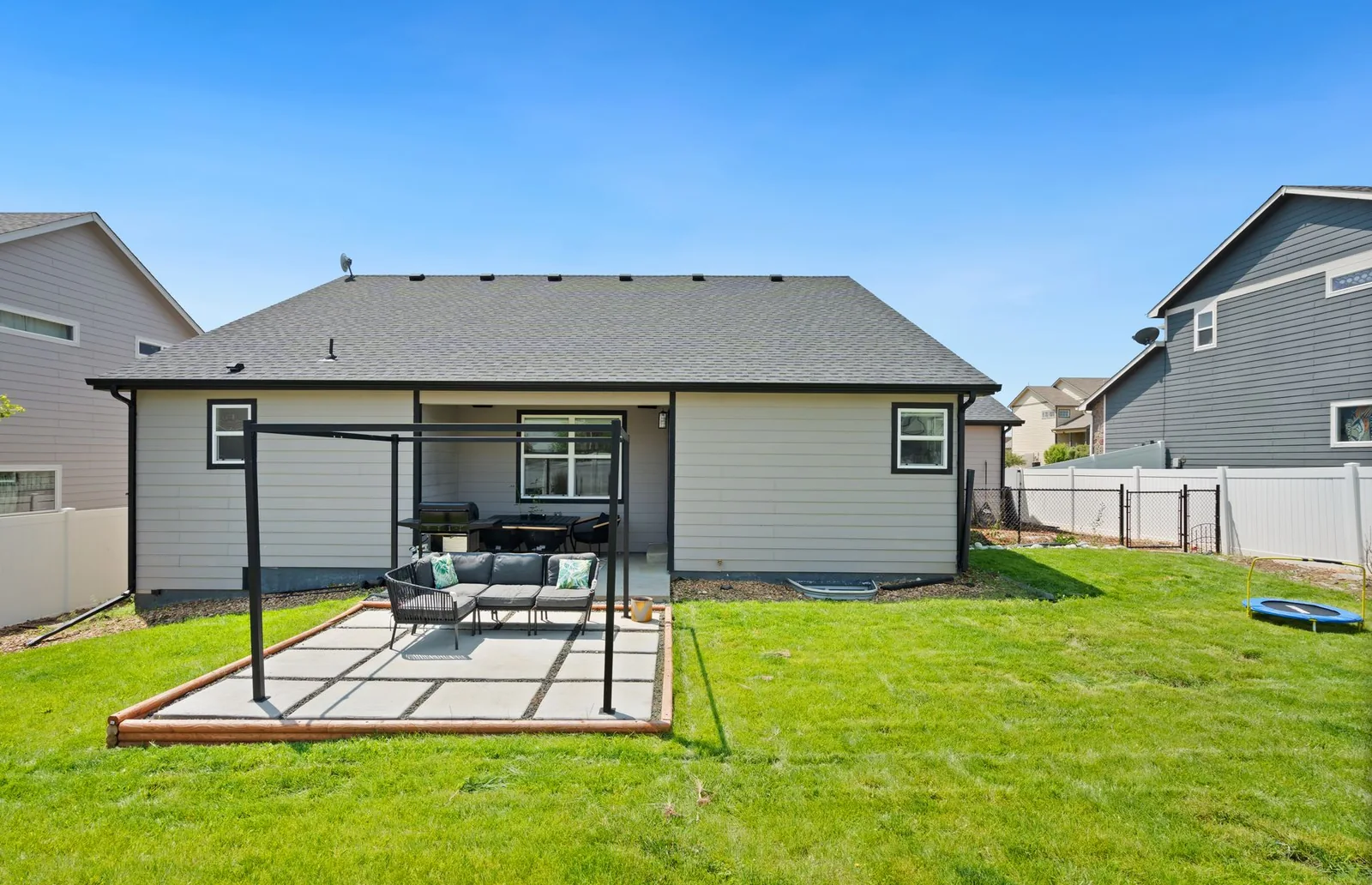
Around the house
Concrete for every side of the house
Six kinds of work, from the curb out front to the patio out back, plus fixes for the slabs you already have.
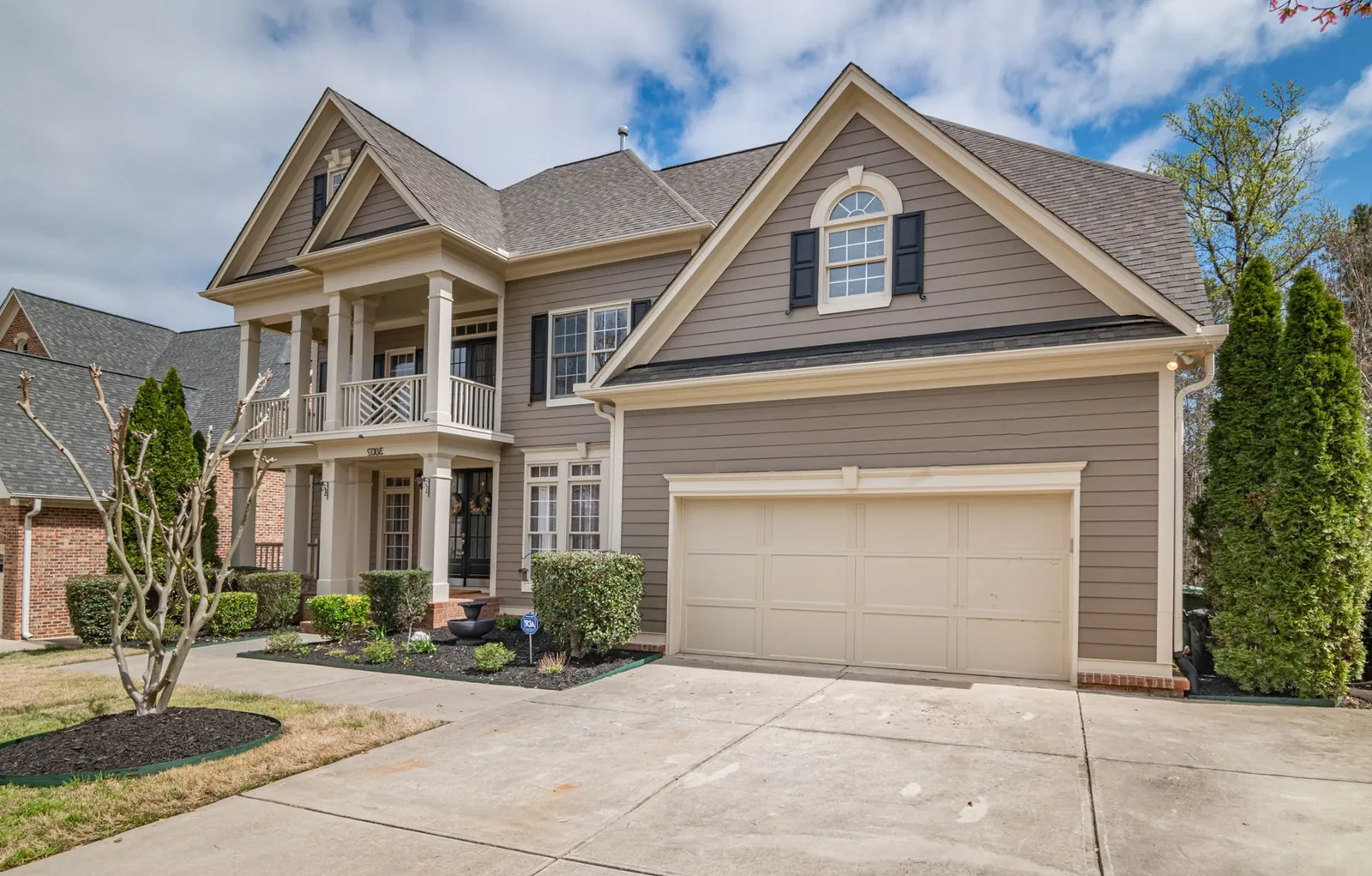
Concrete Driveways
The first thing you see when you pull in: new driveways, replacements, extensions and parking pads built for winter.
More on Concrete Driveways
Concrete Patios
Back-yard patios for grilling, kids and the dog, sloped to drain and sized for the table you already own.
More on Concrete Patios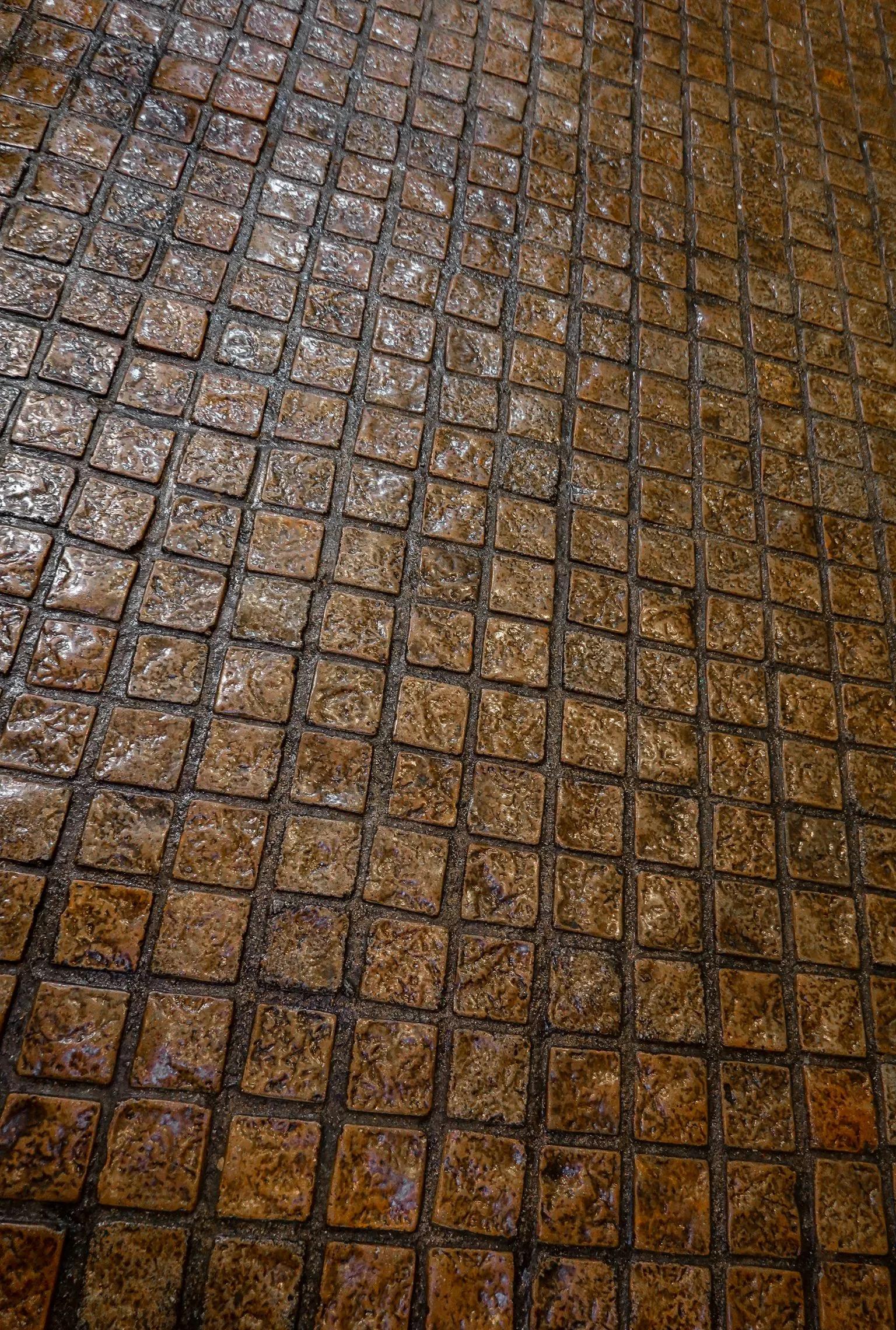
Stamped Concrete
Stone, slate and wood-plank patterns pressed into colored concrete for patios, walks and driveway borders.
More on Stamped Concrete
Steps & Walkways
Front steps, porch landings and the walk to your door, with even risers and treads that shed water.
More on Steps & Walkways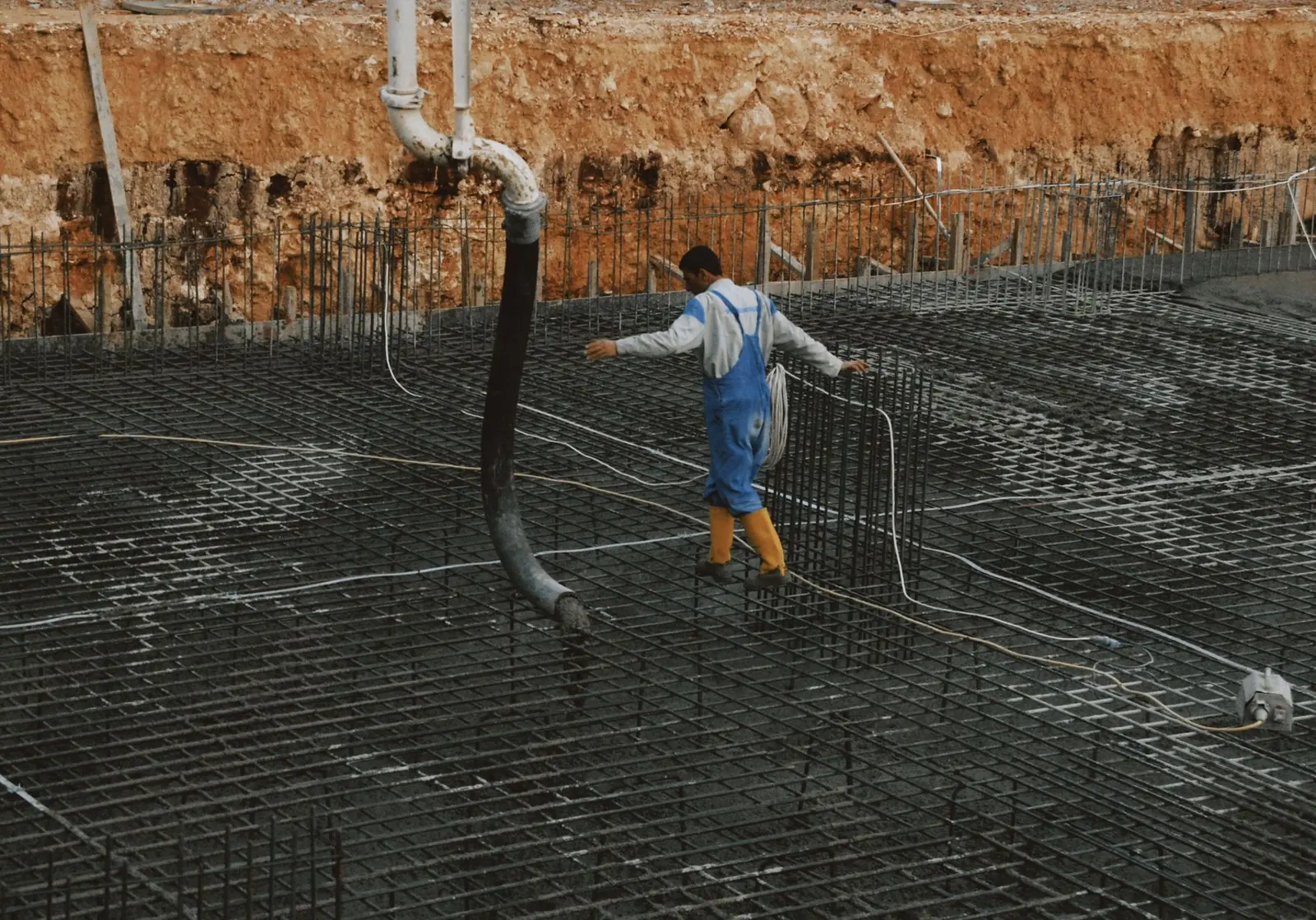
Garage Floors & Slabs
Garage floors, shed and shop slabs, hot tub and AC pads, and basement floors poured flat on a solid base.
More on Garage Floors & Slabs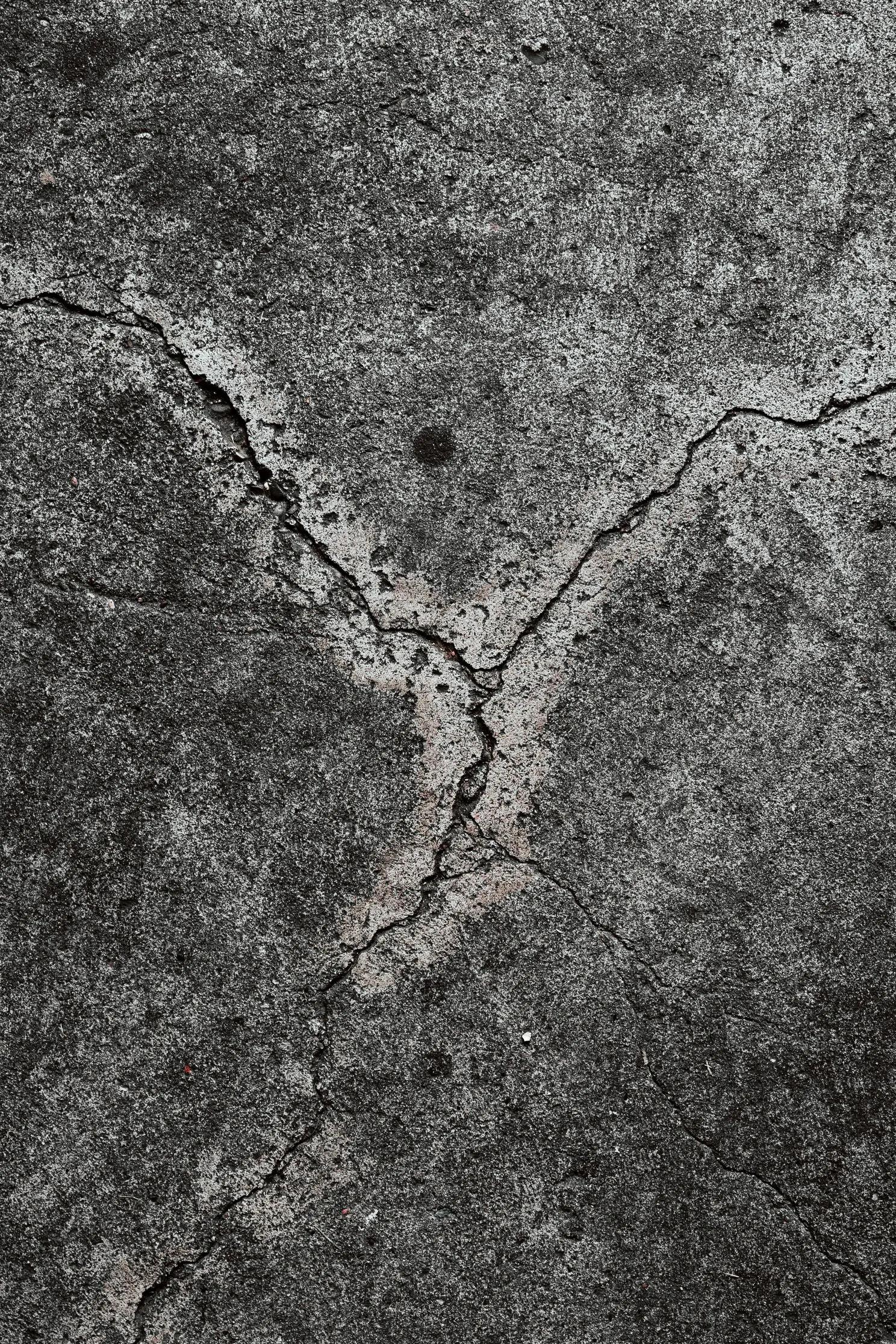
Concrete Repair & Leveling
Crack repair, leveling for sunken slabs, resurfacing and sealing, and a straight answer on when to replace instead.
More on Concrete Repair & Leveling
Ideas
Ideas for the front, back and side of the house

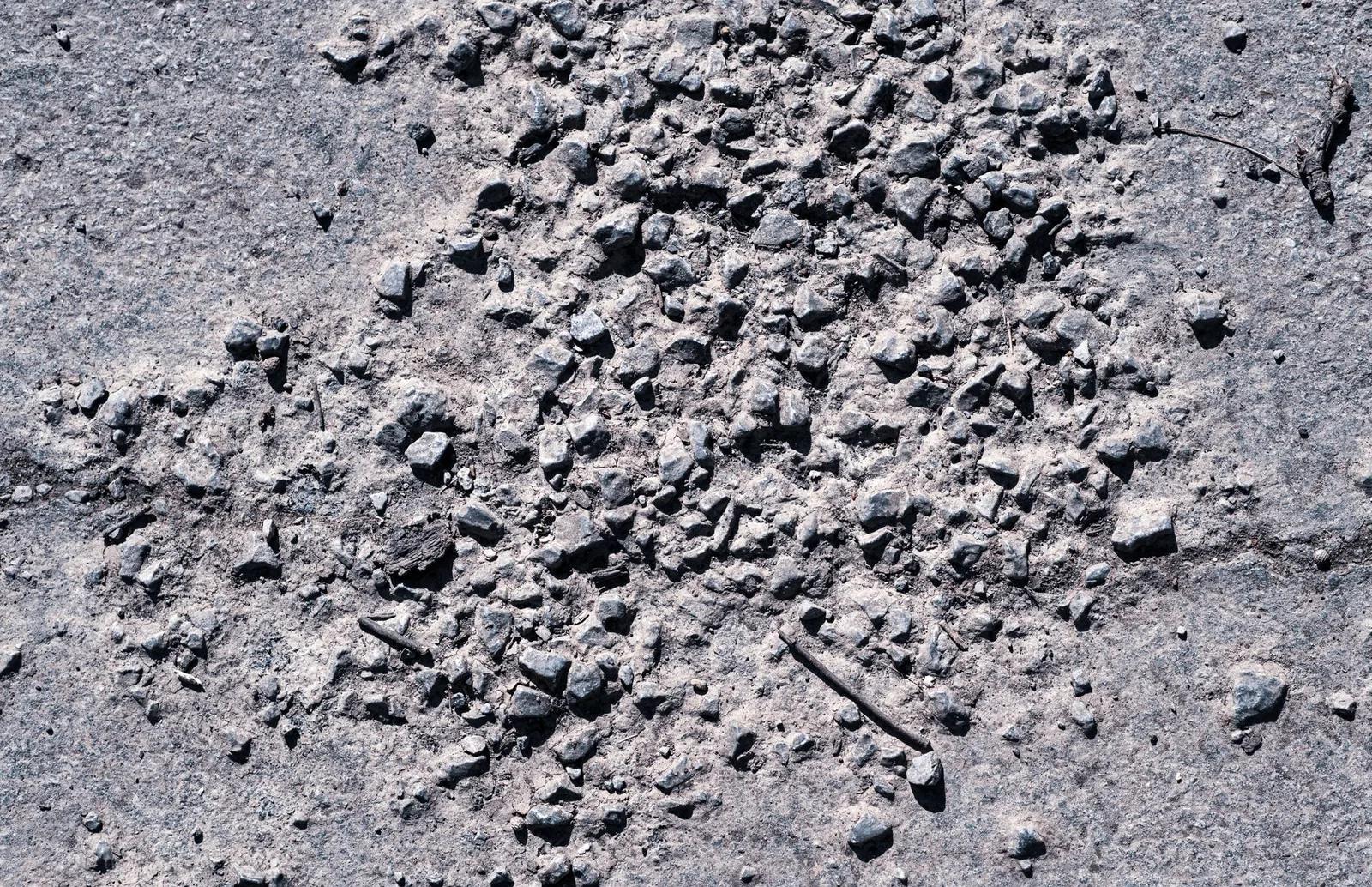
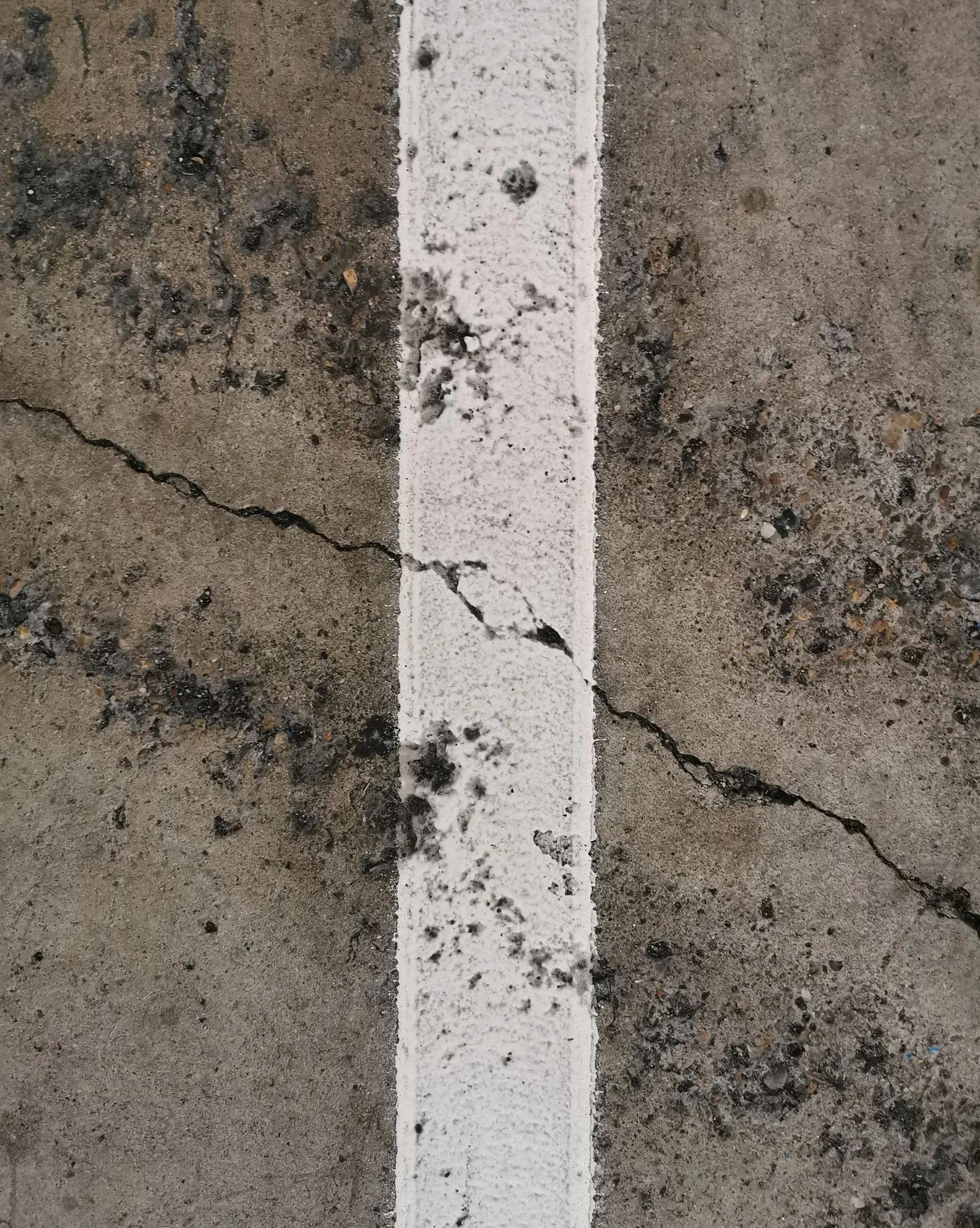
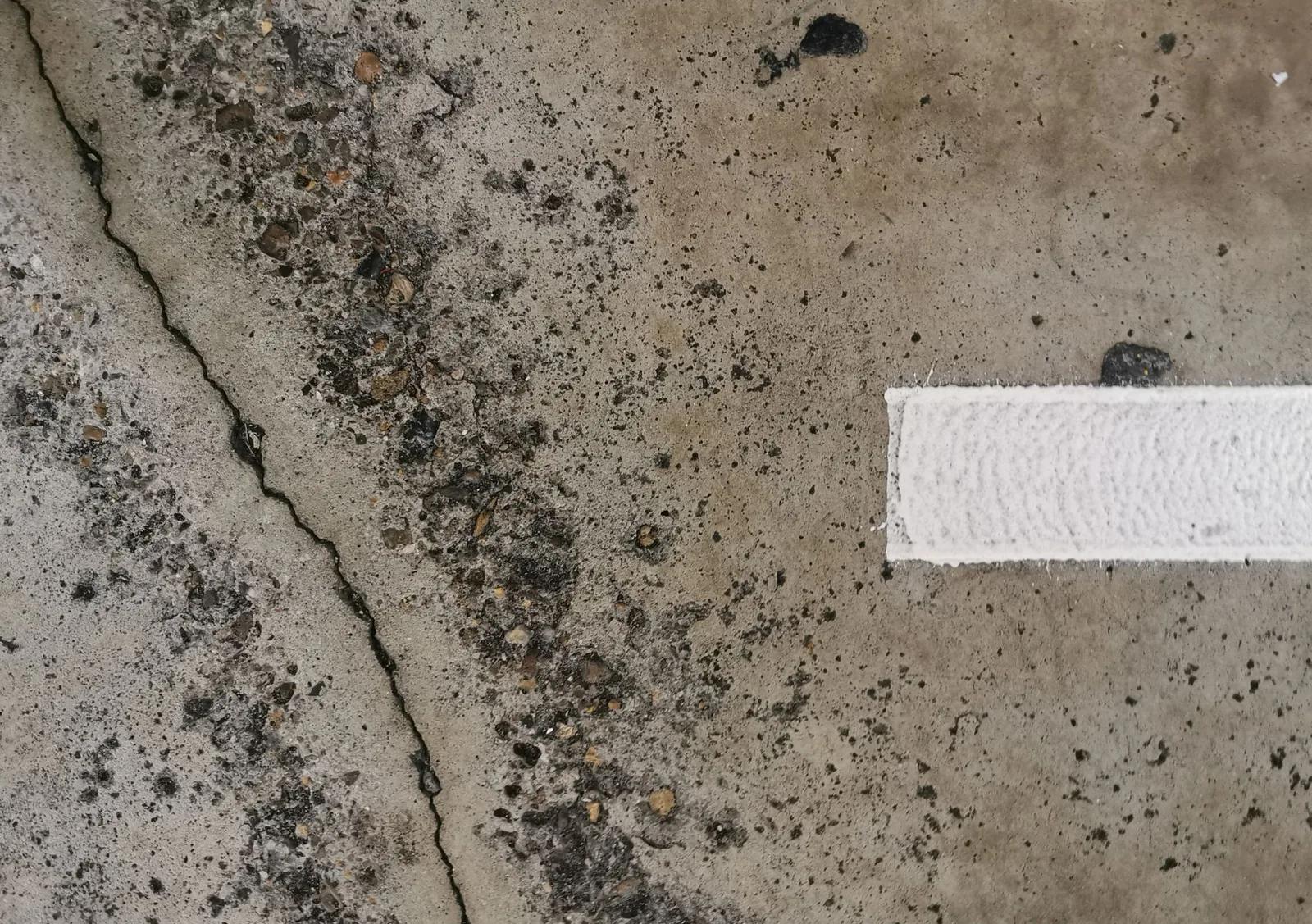
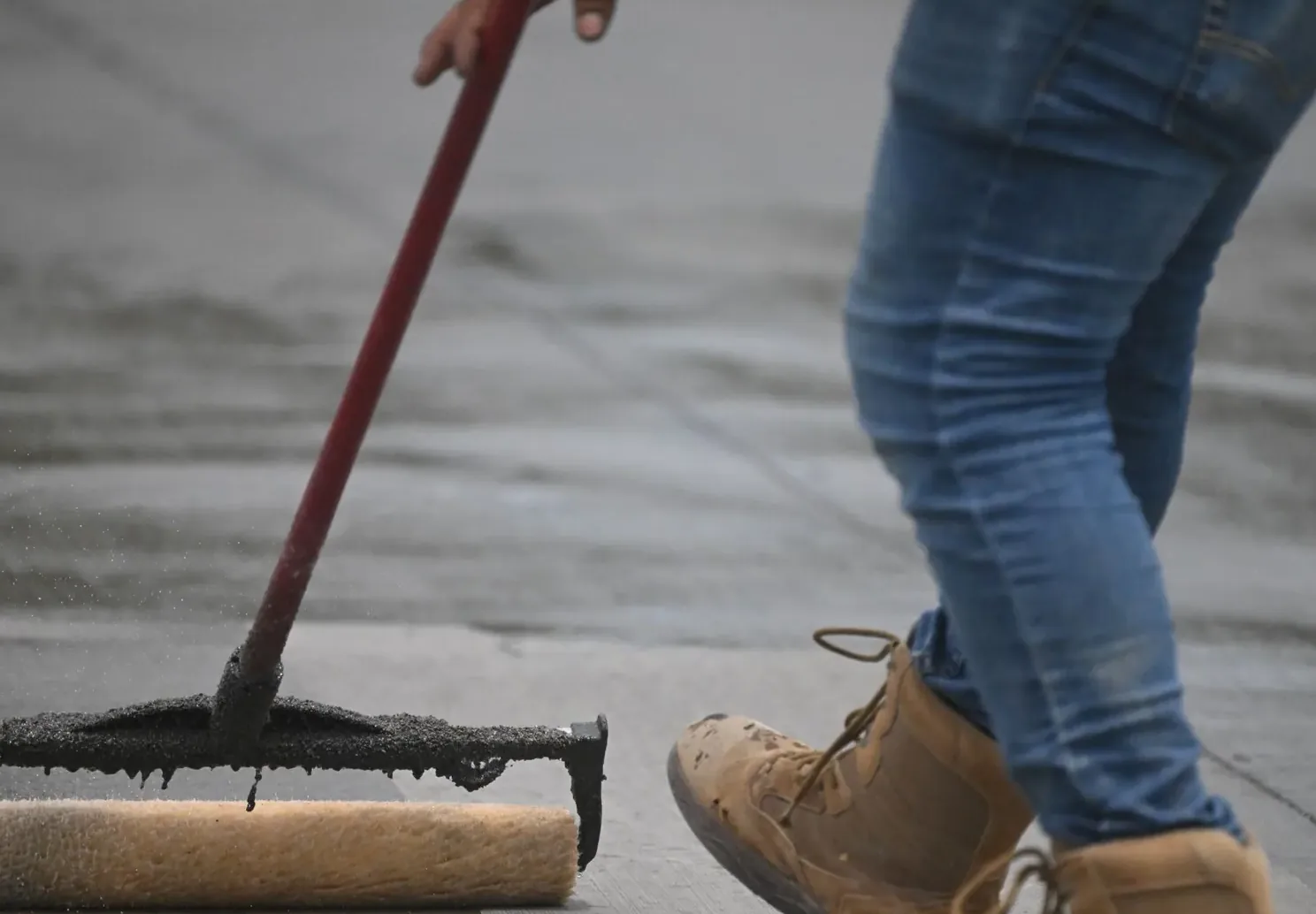
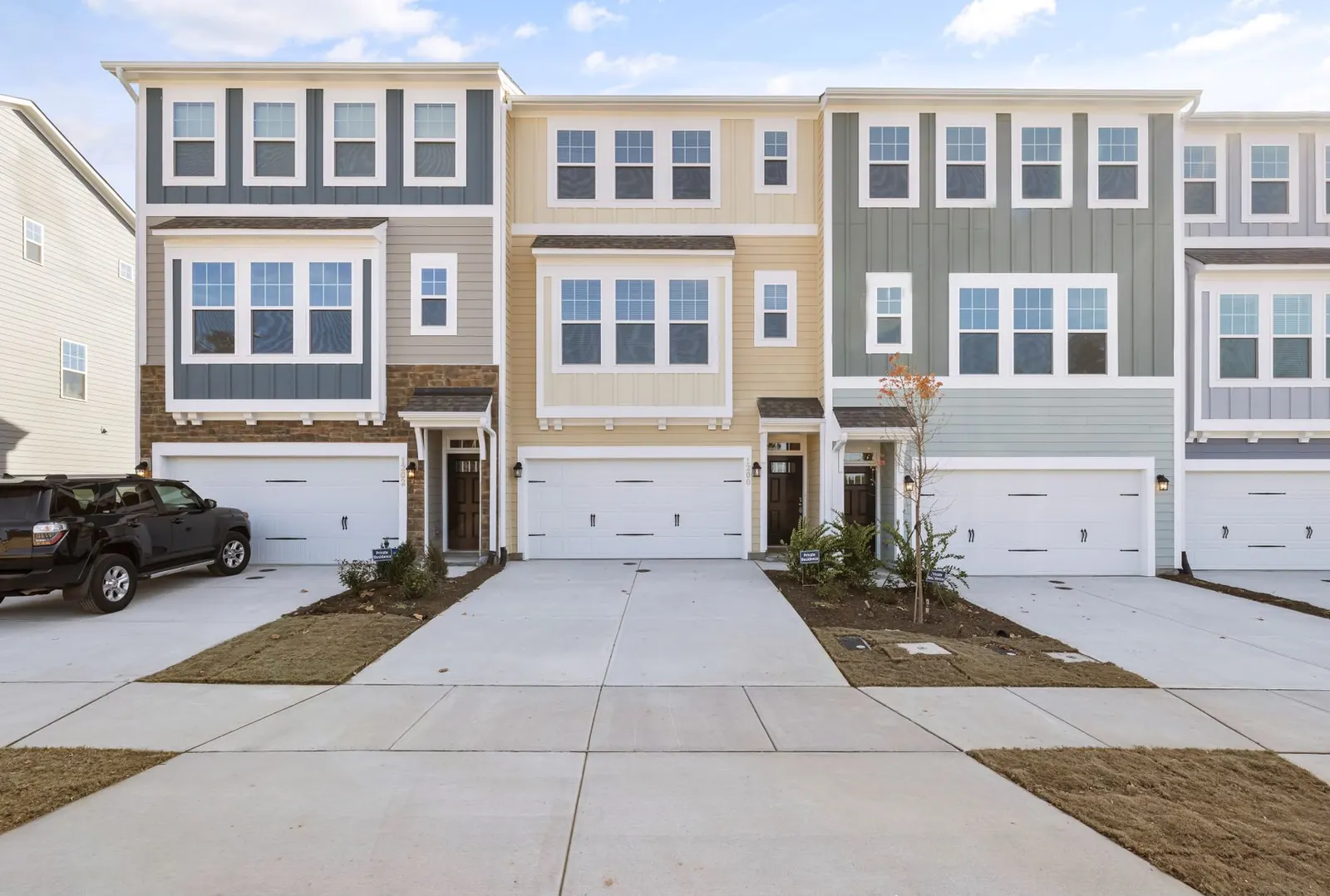
Example photos of this kind of concrete work.
How it works
From your first call to a slab you can park on
- 1
Tell us about the spot
Use the form or call and describe what you have in mind, even if all you know is that the driveway is falling apart. Rough sizes and a phone photo help, but you don't need them.
- 2
A look in person
The contractor calls you back to talk it through and set a time to see the place, because slope, access and the old concrete all change the plan.
- 3
Your free estimate
You get an estimate for the work, with the size, thickness, finish and any tear-out or base work talked through before anything is scheduled.
- 4
Pour day and patience
Base, forms and steel go in, the concrete is placed and finished, and then it needs time to cure before the car, the grill or the hot tub comes back.
Good to know
What a concrete neighbor would tell you
Give new concrete a salt-free first winter
Fresh concrete is still gaining strength, and that is when de-icing salt does the most harm to the surface. For the first winter, shovel early and throw sand down for grip. After that, a penetrating sealer every few years keeps salty meltwater from soaking in.
Watch where the water goes
Before you replace a sunken walk or patio, go stand next to it in a rainstorm. If a downspout empties beside it or the yard tilts toward the house, deal with that too, or the new slab will end up right where the old one did.
Old porch steps are their own animal
On many older Ogden homes, the front steps were poured separately from the house and have slowly tipped or pulled away as the ground under them moved. If the steps are in one piece, a repair may do. If the support underneath is gone, a new set on footings is the fix that lasts.
Plan for the heaviest thing you park
A slab for the family car is usually 4 inches thick, but the spot where a work truck, camper or loaded trailer sits should typically be 5 to 6 inches, with thicker edges. Building that in on day one is far easier than chasing cracks later.
Service area
Ogden and the towns around it
Free estimates reach well past the Ogden city limits: north to Brigham City and Perry, south through Layton to Bountiful and North Salt Lake, and up Ogden Canyon to Huntsville, Eden and Liberty.
Weber County
Davis County
Box Elder County
Morgan County
Questions
Questions Ogden homeowners ask about concrete
Will new concrete hold up to Ogden winters?
Yes, when it is built for them. That means an air-entrained mix, a compacted gravel base, a slope that sheds water instead of letting it pool and freeze, control joints at the right spacing, and a sealer once the slab has cured. Keep de-icing salt off it the first winter, and hose the salty slush off the garage apron on mild days.
Do I need a permit to replace my driveway or front steps?
Often for part of the job. The approach where your driveway meets the street usually sits in the city's right-of-way, so the city typically wants a permit for that piece, and newer subdivisions often have an HOA that wants to see colors and materials first. Any digging also calls for a quick call to 811 so buried lines get marked, and the estimate visit is a good time to sort out what your city or county asks for.
How much does a new driveway or patio cost?
It depends on things you can see on the estimate visit: the square footage, how thick it needs to be, how much old concrete has to be broken out and hauled off, and how much digging and base the ground needs. The finish matters too, since a plain broom finish is less work than stamped and colored concrete. Access counts, because a back yard reached only through a side gate takes more labor than a slab beside the street. Your free estimate puts real numbers on your own project.
Which towns do you cover besides Ogden?
Towns all around Ogden in Weber, Davis, Morgan and Box Elder counties. Close in, that means Roy, South Ogden, North Ogden, Riverdale, West Haven, Harrisville and Pleasant View. Farther out, it includes Layton, Kaysville, Clearfield and Syracuse to the south, Brigham City and Willard to the north, and Huntsville, Eden and Morgan in the mountain valleys.
When can you pour, and how soon can I drive on it?
Most driveways, patios and walks go in between spring and fall, when the ground is thawed and the nights stay above freezing. Once it is poured, you can walk on new concrete in a day or two and park the car on it after about a week. Heavy trucks and trailers should wait longer, since concrete keeps gaining strength for about four weeks.
Can my sunken slab be fixed instead of replaced?
Sometimes. If the slab is still in one piece and has simply dropped, it can often be raised back toward level and the empty space underneath filled. If it is broken into several pieces, crumbling on top or sitting on soil that keeps washing out, replacing that section is usually the smarter fix.
My old house has steep, narrow porch steps. Can new ones be different?
Usually, within what the space and your city allow. New steps can have lower risers, deeper treads and a bigger landing at the door, which matters a lot for kids, older relatives and anyone carrying groceries on an icy evening. The estimate visit is when the rise gets measured and you see what will fit.

Pick the spot, and we will take a look
Tell us which part of the house needs concrete, and the contractor will call to talk it over and set up a visit.